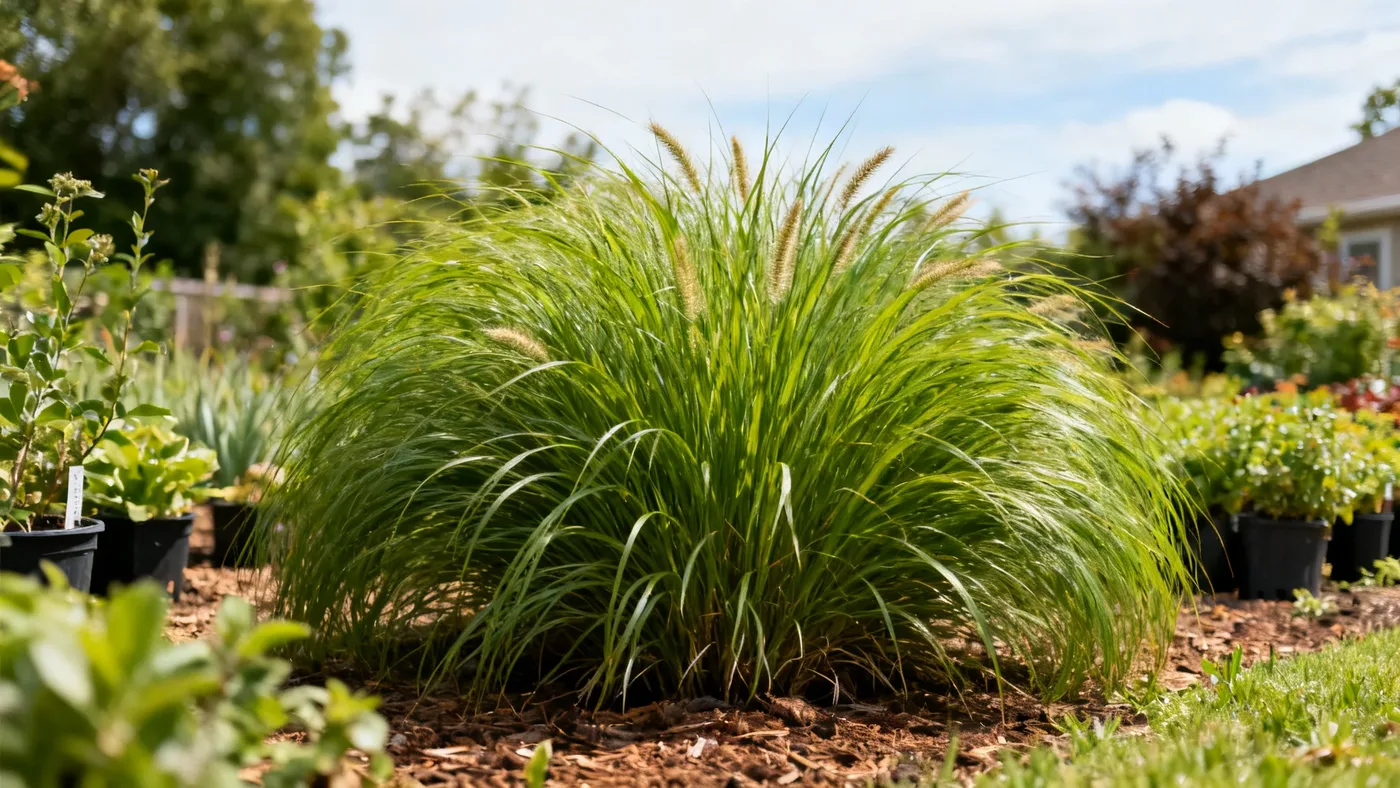
Best Soil for Dwarf Fountain Grass: Drainage, pH and Amendments
Dwarf fountain grass (Pennisetum alopecuroides 'Hameln') is forgiving about soil composition, but getting the fundamentals right makes the difference between a thriving 18-24 inch mound and one that struggles or rots out. The key isn't finding a special formula; it's understanding what this grass dislikes and building accordingly. Crown rot is the primary killer, and it stems almost always from one thing: water sitting around the roots instead of draining away.
Understanding Dwarf Fountain Grass Soil Needs
Dwarf fountain grass is adaptable to average, well-drained soil and tolerates both clay and sandy soils, provided water doesn't linger. The plant actively dislikes constantly wet ground. This is not a swamp grass. During its first year, when it's establishing, regular water helps it settle in and build roots. Once mature (which takes 2-3 seasons to reach full clump size), it becomes drought tolerant and actually prefers drier conditions to overly moist ones.
Soil pH should fall in the range of roughly 6.0-7.5. Most home garden soils sit comfortably within this window, and dwarf fountain grass adjusts well to slight variations outside it. If your soil tests below 6.0, a light lime application brings it up. If it's above 7.5, sulfur works, though you rarely need to make these corrections for this particular grass.
The real work is fixing drainage. Whether your garden is clay-heavy, sandy, or average, the principle is the same: water must leave the root zone within 24-48 hours of heavy rain or watering. Amendments aren't luxury; they're the foundation.
Materials You'll Need
Gather these items before you plant or amend existing soil:
- Coarse sand or horticultural sand (not beach or fine sand)
- Compost or aged bark mulch (not fresh bark)
- Peat moss or coconut coir (optional, for water retention in very sandy soils)
- Balanced slow-release fertilizer (example: 10-10-10 or 12-12-12 formulation)
- Soil pH test kit or laboratory test strips
- A spade or broadfork for turning and mixing amendments
- A 2-3 inch layer of mulch for top-dressing (after planting)
How to Prepare the Best Soil for Dwarf Fountain Grass
Step 1: Test Your Existing Soil
Before amending, know what you're working with. Use an inexpensive soil pH test kit from a garden center, or send a sample to your local extension service for a full analysis (nitrogen, phosphorus, potassium, organic matter content, and pH). Testing takes 5-7 days through extension labs but gives you the clearest picture. For pH alone, a kit gives results in an hour and costs under $15.
If your soil drains poorly (stays waterlogged 48 hours after rain), that's your signal to amend heavily before planting. If it drains quickly but is pure sand, you may need to add organic matter to hold some moisture. Ideal is a middle ground: fast drainage with enough organic matter to provide slight moisture retention.
Step 2: Amend Clay or Dense Soils
Clay-based soils are the most common issue in gardens where fountain grass struggles. Heavy clay compacts around roots and holds water. To fix this, mix coarse sand (horticultural grade, not play sand) and compost into the planting area.
Dig a planting hole 1.5 times as wide as your nursery container and equally deep. Remove about one-third of the native soil. Replace it with a blend: 50% compost, 50% coarse sand. Backfill the hole with this amended mix, settling it gently as you go. This creates a permeable pocket that drains faster than clay alone while providing some organic matter for microbial activity and nutrient cycling.
For mass plantings of dwarf fountain grass on clay, work the same amendment into the entire bed. Spread 2-3 inches of compost over the area, work in coarse sand at a 1:1 ratio by volume, and mix to a depth of 8-10 inches using a broadfork or spade. The investment pays off in higher survival rates and stronger plants.
Step 3: Adjust Soil for Sandy Soils
Sandy soils drain so fast they offer little nutrient-holding capacity and little water retention. During the first season, when dwarf fountain grass needs consistent moisture, this can stress young plants. The fix is to add compost or aged bark mulch to increase organic matter.
Mix 1-2 inches of compost into the top 6 inches of sandy soil before planting. This won't slow drainage noticeably, but it will improve the soil's ability to hold water and nutrients between waterings. You can also add peat moss or coconut coir at 10-15% by volume, though neither is essential for fountain grass; compost alone usually suffices.
Step 4: Verify and Adjust pH
Once your drainage amendments are in place, test pH again in the amended soil if you've made major changes. Most garden amendments (compost, sand) are pH-neutral. If your test shows pH below 6.0, work in ground limestone at the rate recommended by your test kit (typically 50-100 pounds per 1,000 square feet, but follow local guidance). If pH is above 7.5, elemental sulfur brings it down, though this is rare for fountain grass.
Allow lime or sulfur additions 2-4 weeks to work before planting, or skip the timing if you're planting in spring and treating in fall (or vice versa).
Step 5: Plant and Mulch
Set your dwarf fountain grass at the same depth it was growing in its nursery pot. The crown (where foliage emerges from roots) should sit right at or just slightly above soil level, never buried. Spacing should be 18-24 inches apart for mass plantings or borders. This spacing allows room for the plant to reach its mature width of 18-24 inches without crowding.
Water thoroughly after planting to settle the soil. Then apply 2-3 inches of mulch (compost, aged bark, or pine straw) around the plant, keeping it 2 inches away from the crown itself. Mulch moderates soil temperature, suppresses weeds, and gradually breaks down to feed the soil. Avoid fresh bark; it can rob nitrogen as it decomposes.
Step 6: Apply Fertilizer Once Per Year
Dwarf fountain grass is a light feeder. A single application of balanced slow-release fertilizer in spring is generally sufficient. Use a 10-10-10 or 12-12-12 formulation. Apply according to package directions, typically 1-2 tablespoons per plant spread on the soil and watered in.
Do not over-fertilize. Excess nitrogen causes floppy, open growth that flops over and looks weak. The whole point of a fountain grass is its tight, upright mound. Light feeding keeps the plant compact and sturdy.
Common Mistakes to Avoid
Planting in poor drainage. This is the number-one killer. If your soil drains poorly and you skip amendments, crown rot sets in within 1-2 years. The plant dies from the center outward. Spending one afternoon amending soil before planting prevents years of disappointment.
Over-amending with organic matter. Some gardeners add so much compost that the soil becomes spongy and retains too much moisture. Aim for 30-50% organic matter by volume in the amended layer, not 80%. The goal is friable, permeable soil, not a potting mix.
Using fresh mulch. Fresh bark and wood chips tie up nitrogen as they decompose, starving the plant. Use aged or composted materials. If you use fresh mulch, apply a little extra slow-release fertilizer to compensate.
Burying the crown. Plant the grass at the same level it grew in the nursery container. Buried crowns rot more easily, especially in borderline drainage situations. Slightly high is better than slightly deep.
Mistaking wet soil for good moisture. Dwarf fountain grass does not like standing water or waterlogged soil. After heavy rain, the soil should dry perceptibly within 2-3 days. If it stays soggy, drainage is still inadequate. Consider raised beds or mounding as a last resort.
Expected Results and Timeline
A nursery-grown division planted in well-prepared soil should establish itself within 4-6 weeks, showing new foliage growth. The first year focuses on root development. You may see modest above-ground growth, but below ground, the plant is anchoring and expanding its root zone.
By year two, the clump should noticeably widen and thicken. By year three, it reaches its mature clump size of 18-24 inches wide with foliage, or 24-30 inches when flower plumes emerge. Growth rates are approximate and depend on water availability during the first season and summer temperatures, but expect 6-12 inches of spread or height gain per year while establishing.
Bloom time arrives mid to late summer (roughly July through September, varying by region). Creamy tan to buff plumes, often pinkish-purple when first emerging, rise above the foliage and persist through fall if left uncut, providing winter interest.
In fall, foliage and plumes turn golden tan to bronze. If drainage is correct and the plant is not overcrowded, this color show typically persists well into winter.
Quick Reference: Soil Setup Checklist
| Soil Condition | Action | Timing |
|---|---|---|
| pH below 6.0 | Add ground limestone per test kit directions | 2-4 weeks before planting, or fall for spring planting |
| pH above 7.5 | Add elemental sulfur per extension guidance | Same timing as limestone |
| Stays waterlogged 48+ hours | Mix 50% compost, 50% coarse sand into planting area | Before planting |
| Pure sand or very drains in hours | Add 1-2 inches compost, mix into top 6 inches | Before planting |
| Average loam | 2-inch compost layer, light mixing; may need no major amendment | Optional, before planting |
| After planting | Apply 2-3 inches mulch, 2 inches away from crown | Immediately after watering in |
| Fertilizer | Single application of balanced slow-release (10-10-10) | Spring, once per year |
Dwarf fountain grass rewards straightforward soil preparation. Once established in well-drained, pH-neutral ground, it asks little of you beyond seasonal cleanup. For more on ongoing care after planting, see our complete care guide.