Dwarf Fountain Grass Care Guide: Everything You Need to Know
Key Takeaways
- Dwarf Fountain Grass (Pennisetum alopecuroides 'Hameln') thrives in full sun with average, well-drained soil in USDA zones 5-9.
- Reaches 18-24 inches in height with flower plumes extending to 24-30 inches at maturity.
- Blooms mid to late summer (July-September) with creamy tan to buff plumes that shift to golden bronze in fall.
- Requires one spring fertilizer application and minimal maintenance once established.
- Cut back to 2-4 inches in late winter or early spring; never prune in fall.
What Is Dwarf Fountain Grass?
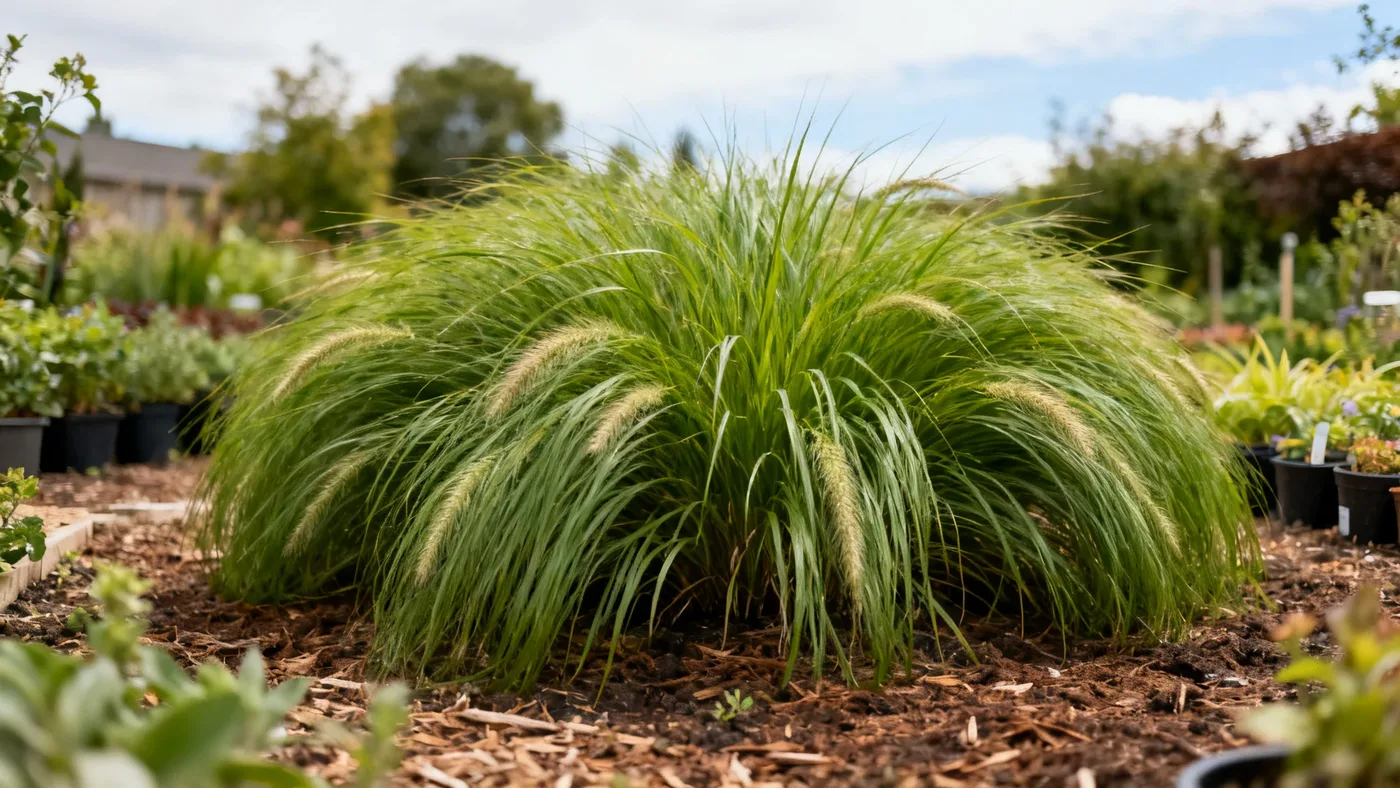
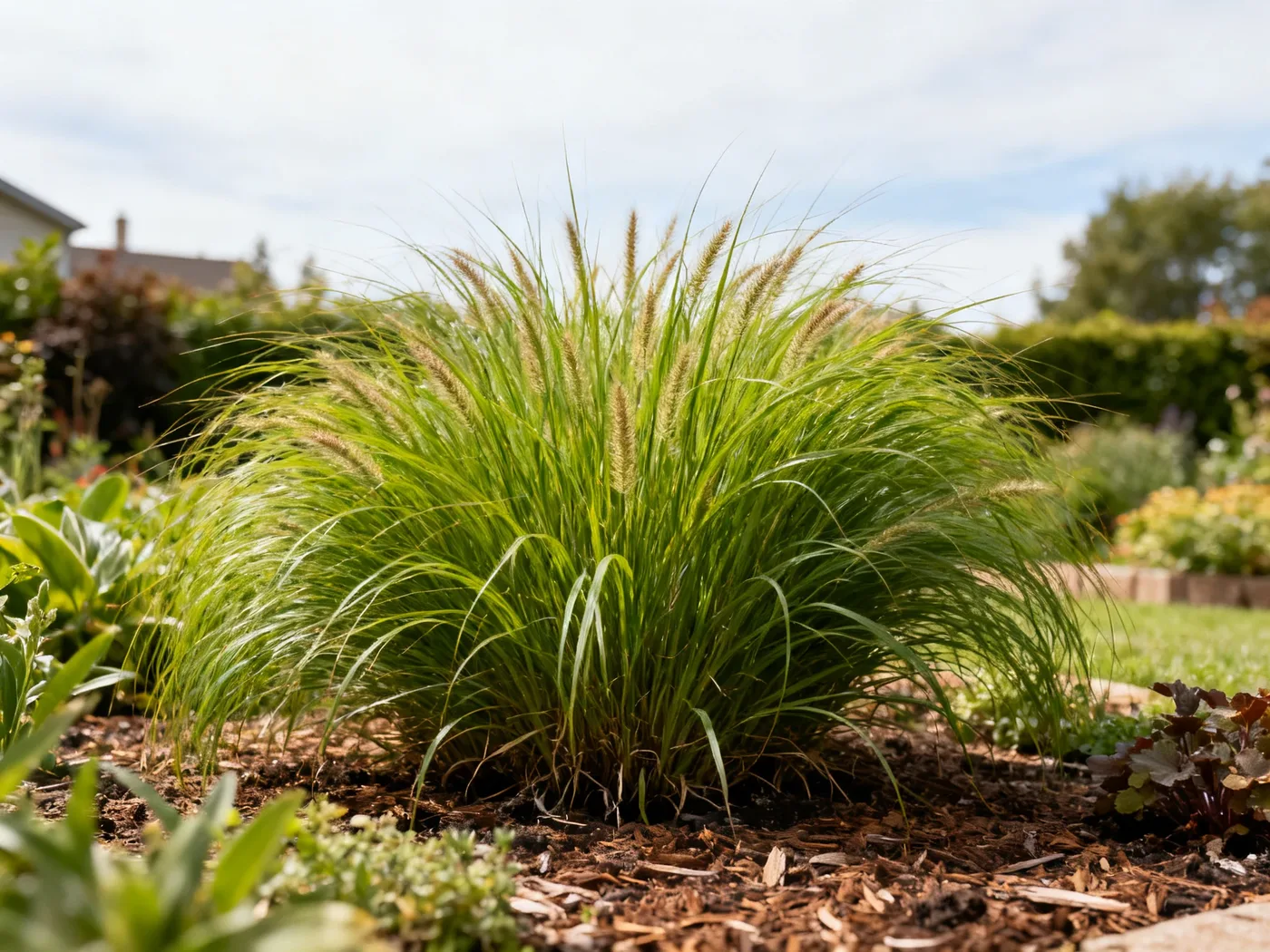
Dwarf Fountain Grass is a warm-season ornamental grass cultivar known for its fine-textured, fountain-shaped mounds of arching foliage and showy bottlebrush-like plumes. The botanical name is Pennisetum alopecuroides 'Hameln', a German-selected cultivar of the species native to East Asia and Australia. Unlike its larger relatives, Hameln grows to a compact 18-24 inches in clump height, making it ideal for borders, containers, and mixed perennial beds without overwhelming smaller gardens.
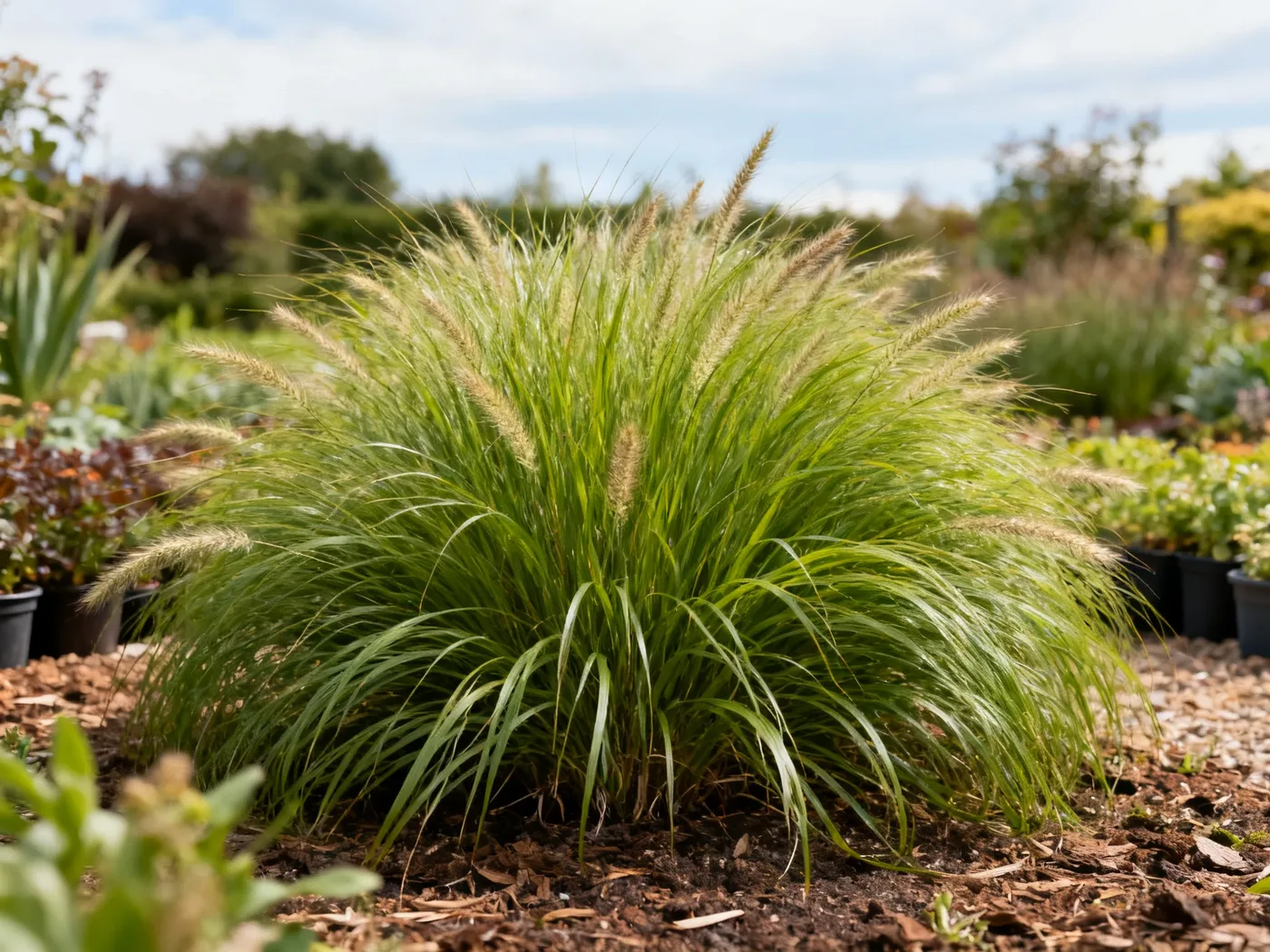
The foliage is mid-green with a fine, delicate texture that catches light beautifully even before the flowers appear. In mid to late summer, typically July through September depending on your region, the plant produces creamy tan to buff-colored plumes that emerge with pinkish-purple tinges. As fall progresses, both foliage and seedheads transition to golden tan and bronze tones, providing excellent seasonal interest and extending your garden's visual appeal into winter.
Selecting the Right Location and Soil
Success with dwarf fountain grass care begins with site selection. This grass is a full-sun plant, meaning it performs best with at least 6-8 hours of direct sunlight daily. In regions with intense afternoon heat, morning sun with afternoon dappling is acceptable, though plants receiving less light will produce fewer blooms and develop a floppier, less compact habit. If you must plant in part shade, expect reduced plume production and looser growth.
Soil Requirements
Pennisetum hameln care demands well-drained soil, but the plant is remarkably adaptable to various soil types. Average garden soil, clay, or sandy soils all work provided drainage is adequate. The grass dislikes constantly wet ground and is prone to crown rot in poorly drained or waterlogged sites. Soil pH should fall between 6.0 and 7.5, though the plant tolerates slight deviations.
If your soil is heavy clay or chronically wet, amend the planting area by mixing in 3-4 inches of coarse sand or compost to improve drainage. Raised beds are an excellent option for problematic sites. Good drainage protects the crown from fungal rot, the most common cause of plant failure in dwarf fountain grass care.
Planting and Establishment
When to Plant
Spring after your last frost is the preferred planting time for how to grow dwarf fountain grass. This allows the plant to establish a strong root system throughout the growing season before winter dormancy. Fall planting is possible in milder zones (8-9) if done early enough to allow 4-6 weeks of root development before the first hard frost. Northern gardeners (zones 5-6) should avoid fall planting.
Spacing and Planting Steps
Space plants 18-24 inches apart for mass plantings and borders. This spacing allows room for mature width while maintaining visual cohesion. For single specimens or accent plantings, a single plant stands alone effectively.
Dig a hole as deep as the root ball and 1-2 times as wide. Remove the plant from its nursery container (typically sold in quart, #1, or #3 pots) and loosen the roots gently. Position the plant so the crown is level with the soil surface, not buried. Backfill the hole with native soil mixed with one-quarter compost by volume. Water thoroughly after planting to settle the soil and eliminate air pockets. Mulch around the base with 1-2 inches of compost, keeping mulch away from the crown to prevent rot.
First-Season Care
During its first growing season, water regularly to keep soil consistently moist (not waterlogged) to help the plant establish. Once established, dwarf fountain grass is drought tolerant, but young plants appreciate regular moisture. Expect the plant to reach a respectable size by fall and bloom, though full mature clump size develops over 2-3 seasons, gaining roughly 6-12 inches of spread and height per year while establishing.
Watering and Moisture Management
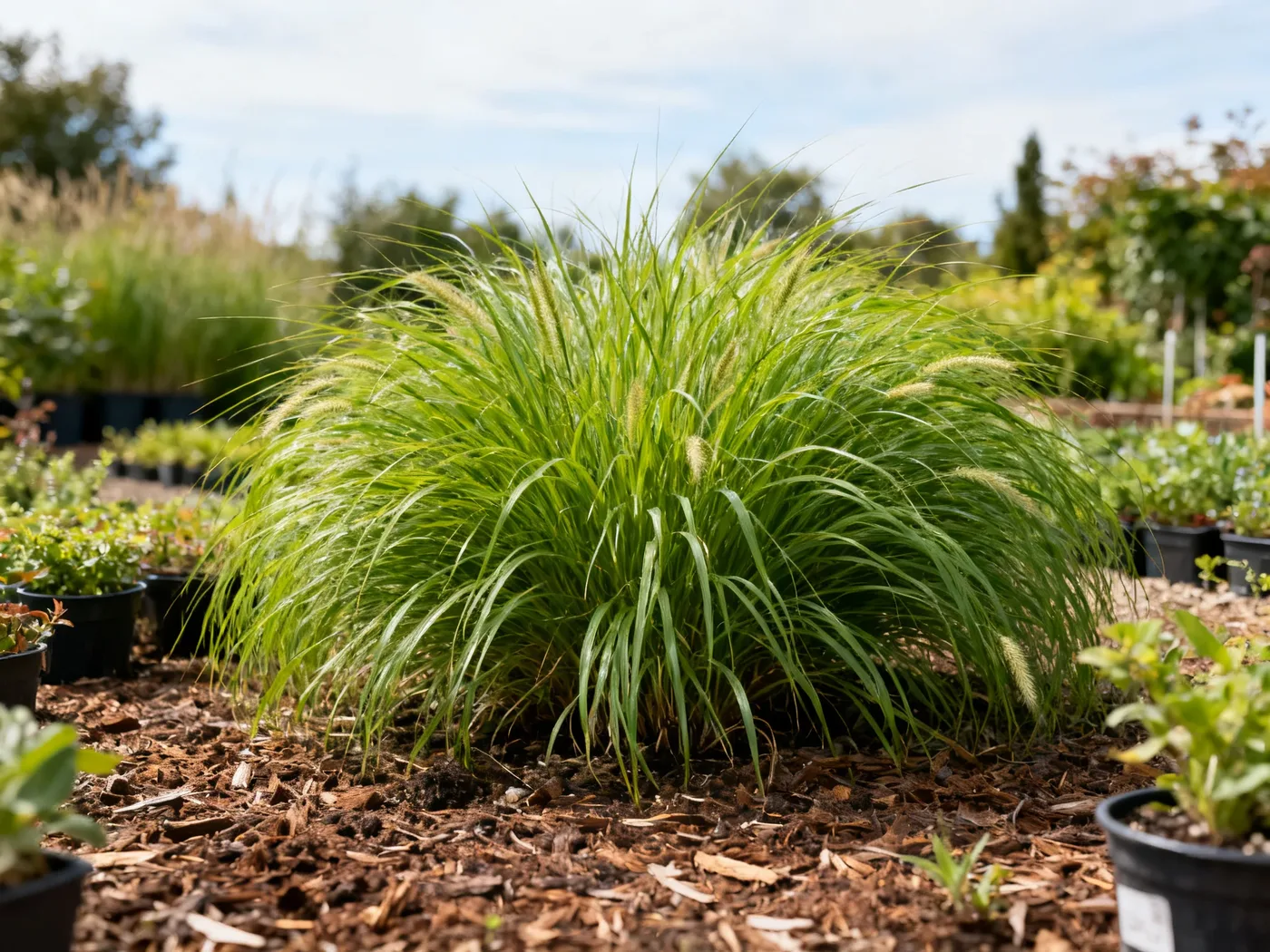
Watering needs shift once the plant is established. During the first season, provide regular water, approximately 1 inch per week from rain or irrigation. Check soil moisture 2-3 inches deep; water when dry to the touch at that depth. In extreme heat or drought, weekly deep watering prevents stress.
Established plants, generally by year two, are highly drought tolerant and require supplemental water only during extended dry spells or container growing. Reduce watering to occasional deep soakings during prolonged droughts. Overhead watering is acceptable, though soaker hoses or drip irrigation minimize foliar diseases.
Avoid overwatering. Excessive moisture, combined with overfertilizing, causes the plant to develop a floppy, open habit rather than the compact, fountain-shaped mound you want. Let the soil dry slightly between waterings in established plantings.
Fertilizing for Optimal Growth
Dwarf fountain grass is a light feeder and does not require heavy fertilization. Apply a single application of balanced slow-release fertilizer in spring as new growth emerges. A 10-10-10 or similar balanced formula is appropriate. Over-fertilizing is a common mistake that causes excessive vegetative growth, resulting in a floppy, unkempt appearance and reduced plume production.
If your soil is very poor or the plant shows signs of nutrient deficiency (pale foliage, slow growth), a light feeding is acceptable. Otherwise, a single spring application is sufficient for the entire growing season. Avoid high-nitrogen fertilizers, which promote leaf growth at the expense of flower development.
Pruning and Seasonal Maintenance
Spring Pruning
This is the most important maintenance task in your dwarf fountain grass care guide. In late winter or very early spring, before new growth emerges, cut the entire clump back to 2-4 inches above the ground. Use sharp hedge shears or pruning tools to make clean cuts. This removes the dead foliage and seedheads from the previous year, encouraging dense, vigorous new growth.
Timing is critical. Prune too early and new growth emerges during a late frost; prune too late and you remove emerging shoots. Aim for late February through March in most zones, adjusting earlier in warmer zones or later in colder ones.
Why Not Fall Pruning?
Do not prune in fall. The dried foliage provides winter protection to the crown and insulation against freeze-thaw cycles. It also adds winter interest, catching frost and snow beautifully. Leave the plant standing through winter and prune only in late winter or early spring.
Summer and Fall Care
No significant pruning is needed during the growing season. Deadheading spent plumes is optional and does not extend bloom time noticeably. Leave plumes standing to enjoy them and allow them to provide late-season bird food. If a plant becomes dramatically floppy (due to excess shade, overwatering, or overfertilizing), light shaping with hand pruners can tidy the appearance, but this does not address the underlying cause.
Common Problems and Solutions
Crown Rot
The most serious threat to dwarf fountain grass is crown rot, caused by poor drainage or waterlogged soil. Symptoms include yellowing foliage, softness at the base, and sudden wilting. Prevention is the cure: ensure excellent drainage and avoid overwatering. If crown rot develops, remove the plant, improve drainage, and replace with a fresh specimen.
Rust and Leaf Spot
Occasional rust and leaf-spot diseases occur, especially in humid conditions or crowded plantings. These are rarely serious and typically affect older foliage. Improve air circulation by spacing plants adequately and removing dead foliage promptly. Fungal sprays are rarely necessary for established plants.
Floppy Growth
If your plant develops a loose, open habit rather than a tight mound, the cause is usually one of three: insufficient light, excess fertilizer, or overwatering. Move the plant to brighter light if possible, reduce watering and fertilizing, and improve soil drainage. The plant will recover by the next growing season.
Self-Seeding
In warmer zones (8-9), dwarf fountain grass may self-seed, though 'Hameln' produces markedly less viable seed than the species. Some regions still advise caution due to potential invasiveness in certain climates. Check your local or state invasive plant list before recommending in the mid-Atlantic or southeastern U.S. Deadheading spent plumes eliminates this concern entirely.
Winter Damage
Dwarf fountain grass is hardy in USDA zones 5-9. In zone 5, a heavy mulch layer (4-6 inches) around the crown after the ground freezes provides extra insulation in severe winters. In zones 6-9, the plant typically overwinters without protection. Container plants in zones 5-6 should be moved to an unheated garage or brought indoors, or heavy burlap wrapping protects them where they are planted.
Growing Dwarf Fountain Grass in Containers
Dwarf fountain grass performs well in containers, making it ideal for patios, decks, and entries. Use a container at least 12 inches in diameter with drainage holes. Fill with a quality potting mix amended with one-quarter coarse sand for improved drainage. The plant behaves identically in containers as in the ground: full sun, well-drained soil, moderate watering while establishing, and reduced water once established.
In zones 5-6, move containers to an unheated garage or shed before the first hard frost, water sparingly over winter, and move back outside after the last frost. In zones 7-9, containers can remain outdoors; apply winter mulch for added protection. Divide container plants every 3-4 years to rejuvenate them and prevent the center of the clump from dying out.
Propagation and Lifespan
The easiest way to propagate named cultivars like 'Hameln' is by division of established clumps in early spring, just as new growth begins. Dig the entire clump and use a sharp spade or knife to divide it into 2-4 sections, ensuring each division has roots and shoot buds. Replant immediately and water well. Division every 3-4 years invigorates aging plants and prevents the center from dying out, extending the plant's productive life.
Dwarf fountain grass is a long-lived perennial. With proper care, plants thrive for 10-15 years or more. Young plants from nursery divisions typically bloom the first year and reach full mature size (18-24 inches wide and tall) within 2-3 growing seasons.
Quick Reference: Dwarf Fountain Grass Care Checklist
| Task | Timing | Details |
|---|---|---|
| Planting | Spring after last frost | Space 18-24 in apart; full sun; well-drained soil |
| Watering | Year 1: weekly; Established: as needed | 1 in per week first season; drought tolerant after |
| Fertilizing | Early spring | Single application of balanced slow-release fertilizer |
| Pruning | Late winter to early spring | Cut to 2-4 in; never prune in fall |
| Blooming | Mid to late summer | July-September; creamy tan plumes turning bronze |
| Division | Early spring | Every 3-4 years; divide clumps into 2-4 sections |
| Maturity | 2-3 seasons | 18-24 in high and wide; 6-12 in growth per year |
| Hardiness | Zones 5-9 | Zone 5: add mulch; Zones 8-9: monitor self-seeding |