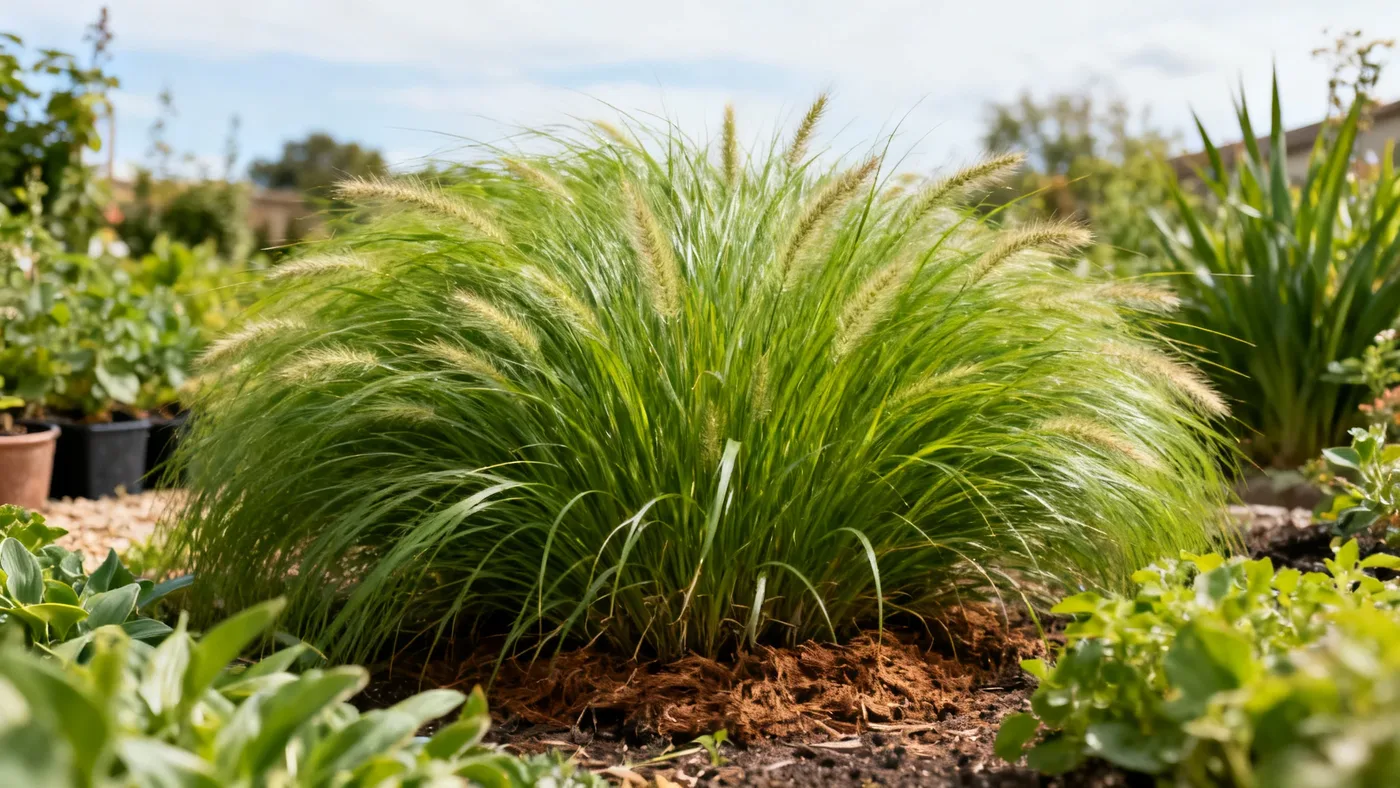
Dwarf Fountain Grass Hardiness Zones: Where Will It Survive Winter?
Understanding USDA Zones & Cold Hardiness
Q: What USDA hardiness zones does Dwarf Fountain Grass grow in?
Dwarf Fountain Grass thrives in USDA zones 5 through 9, meaning it tolerates winter lows from around negative 20°F (zone 5) down to 20°F (zone 9). This cold-hardy perennial is reliably hardy throughout most of the United States and will return year after year in these zones if properly prepared for winter.
Q: Is Dwarf Fountain Grass actually cold hardy, or is it a tender annual?
Dwarf Fountain Grass is a genuine warm-season perennial that is deciduous but fully winter hardy in zones 5-9. Unlike tender annuals, it will survive freezing temperatures and regrow from its root system each spring, making it a long-lived, dependable perennial for cold-climate gardens.
Q: Can I grow Dwarf Fountain Grass in zone 4?
Zone 4 falls below the proven hardiness range of this cultivar, though some gardeners report success with extra winter protection or in microclimates. Your best bet is to consult your local cooperative extension service about winter mulching strategies or to grow it in containers that you can move to a sheltered location.
Q: Can I grow Dwarf Fountain Grass in zone 10?
Zone 10 is warmer than this plant's tested range (5-9), but the risk is not cold damage. It is self-seeding in warmer climates. Check your state's invasive plant list before planting in zone 10, as Pennisetum alopecuroides can naturalize in milder regions, even though the 'Hameln' cultivar produces less viable seed than the species.
Winter Survival & Protection Strategies
Q: Will my Dwarf Fountain Grass die if winter temperatures drop to negative 10°F?
No. Negative 10°F is well within zone 5's winter lows, and Dwarf Fountain Grass will survive this cold without issue. The key is that the plant is deciduous, so it naturally goes dormant before hard freezes arrive, and the crown sits protected at or just below soil level.
Q: Why shouldn't I cut back my Dwarf Fountain Grass in fall?
The dried foliage and seedheads act as natural insulation and protection for the crown during winter cold. Do not prune in fall as dried foliage protects the crown. Instead, wait until late winter or very early spring to cut the entire clump back to 2 to 4 inches.
Q: Does Dwarf Fountain Grass need mulch to survive winter in zone 5?
In zone 5, winter mulch is optional if the plant is well established and the crown is at or slightly below soil level. However, a 2 to 3 inch layer of coarse mulch (not leaves, which can mat and trap moisture) around the crown in late fall can provide extra insurance in the harshest years or for newly planted specimens.
Q: What happens to the plant during winter?
Dwarf Fountain Grass enters dormancy as temperatures cool in fall, and all above-ground growth dies back naturally. The dried stems and seedheads persist through winter (providing ornamental interest and wildlife value), while the living root system remains safely dormant below the soil surface until spring warmth triggers new growth.
Winter Care & Preparation Timing
Q: When should I prepare my Dwarf Fountain Grass for winter?
Begin prep in mid to late fall after the first hard frost has killed off any remaining green growth and the foliage has turned golden tan. At this point, the plant is fully dormant and ready, so you can add mulch, stake any plants in snow-prone areas, or address pest concerns.
Q: How do I prune Dwarf Fountain Grass for winter, and when exactly?
Wait until late winter or very early spring (roughly February to early March, depending on your zone) to cut the entire clump back to 2 to 4 inches. Prune before new green growth emerges. Cutting too late in spring risks damaging new shoots, and cutting in fall exposes the crown to ice and rot.
Q: What is the biggest winter threat to this plant?
The primary risk is not cold itself but rather wet soil combined with cold, which can rot the crown. Ensure the planting site has well-drained soil, and avoid planting in low spots where snowmelt collects, as standing water in winter is more dangerous than freezing air.
Q: Will spring frost damage new growth if my Dwarf Fountain Grass sprouts early?
Late spring frosts rarely damage emerging shoots because they are soft but resilient. However, very early warm spells can trigger growth before the last frost date. If a hard freeze follows, the new growth may be set back slightly, though the plant will simply regrow and recover in a week or two.
Container Growing in Cold Zones
Q: Can I grow Dwarf Fountain Grass in a pot in zone 5?
Yes, Dwarf Fountain Grass performs well in containers with well-drained potting mix, but container plants need winter protection or overwintering indoors in colder zones. In zone 5, containers freeze solid more readily than in-ground beds, so move the pot to an unheated garage, shed, or cold frame for winter, or bury the entire pot in the ground and mulch heavily.
Q: How do I overwinter a container-grown Dwarf Fountain Grass indoors?
Move the pot to an unheated garage or basement in late fall before the first hard freeze. Water lightly once or twice over winter to keep the soil from drying out completely, but do not fertilize or try to encourage growth. Simply let the plant rest dormant until you move it back outdoors in spring after the last frost.
Q: What size container should I use, and does that affect winter survival?
Nurseries typically offer quart, #1, or #3 containers; as the plant grows, you can pot it up to a 5 gallon or larger container. Larger containers retain soil moisture better and insulate the roots slightly, so a bigger pot offers a small advantage in winter, but the key factor is still whether you can protect it from freezing.
Regional & Zone-Specific Considerations
Q: I live in zone 9. Does my Dwarf Fountain Grass need any winter care?
In zone 9, winter lows seldom drop below 20 to 25°F, so your plant will stay completely green or only partially dormant through winter. You can allow the foliage to persist or lightly prune it for neatness. Your main task is to ensure good drainage to avoid warm-season fungal issues, not winter freeze damage.
Q: What is different about growing Dwarf Fountain Grass in zone 6 versus zone 5?
Zone 6 winters are noticeably milder (average lows around negative 10°F versus negative 20°F in zone 5), so plants bounce back faster and suffer less winter dieback. Winter mulch is rarely necessary in zone 6, and you'll often see the plant regrow from green basal shoots rather than from the crown alone.
Q: I'm in a cold pocket of my zone. Should I treat my garden like a colder zone?
Yes. Cold pockets, low areas, north-facing slopes, or places with poor air drainage can be 10 to 15 degrees colder than the surrounding area. If your site regularly holds frost, add extra mulch, ensure excellent drainage, and monitor the plant closely. You might also grow it in a container so you can move it to a warmer spot if needed.
Spring Recovery & Seasonal Timing
Q: When will my Dwarf Fountain Grass start growing again in spring?
Growth begins as soil temperatures warm in mid to late spring (typically April to early May in zone 5). You'll see green basal shoots emerging from the base of the plant a few weeks after you prune. The plant then gains roughly 6 to 12 inches of spread and height per year while establishing, reaching full mature clump size in 2 to 3 seasons.
Q: If my plant looks completely dead in spring, is it actually gone?
Not necessarily. Wait until late spring (May or June) before giving up, because the root system may still be alive even if the crown looks brown or mushy. Gently scrape the crown with a knife. If you see green tissue beneath the outer layer, the plant is alive and will recover, possibly just a week or two later than expected.
Q: How does Dwarf Fountain Grass compare to other ornamental grasses for winter hardiness?
Many ornamental grasses thrive in similar zones, but Dwarf Fountain Grass is distinctly more compact (18 to 24 inches at maturity) than the species type, making it easier to manage in smaller spaces and containers. Its hardy nature and long-lived perennial status make it a reliable choice for cold-climate gardens when compared to tender annuals or half-hardy alternatives.
Q: What should I do if I planted my Dwarf Fountain Grass in fall? Will it survive its first winter?
Fall planting is possible in milder zones (6 to 9) if you plant with enough time for the root system to establish before frost. In zone 5, however, spring planting after the last frost is preferred to give the plant a full growing season to build root reserves before winter. If you did plant in fall, add extra mulch and keep an eye on it through winter.
Winter Hardiness Quick Reference Table
| Zone | Avg Winter Low | Special Considerations | Mulch Needed? | Container Overwintering |
|---|---|---|---|---|
| 5 | Negative 20°F | Excellent hardiness; leave foliage uncut until spring | Optional (recommended for young plants) | Move indoors or bury pot |
| 6 | Negative 10°F | Very hardy; minimal winter dieback | No | Shelter in cold frame or garage if possible |
| 7-8 | 5°F to 20°F | Reliable year-round performer | No | Full sun location sufficient |
| 9 | 20°F or above | May stay partially green; check invasive status | No | Standard outdoor growing |
Winter Preparation Checklist
- Fall: Leave dried foliage and seedheads standing through winter for crown protection
- Late fall: Apply coarse mulch around crown if desired (especially zone 5)
- Late winter/early spring: Cut entire clump back to 2 to 4 inches before new growth emerges
- Spring: Monitor for emerging basal shoots; plants reach full size in 2 to 3 seasons
- Year-round: Ensure well-drained soil; avoid standing water and low-lying sites
For complete growing guidance, see our Dwarf Fountain Grass Care Guide.