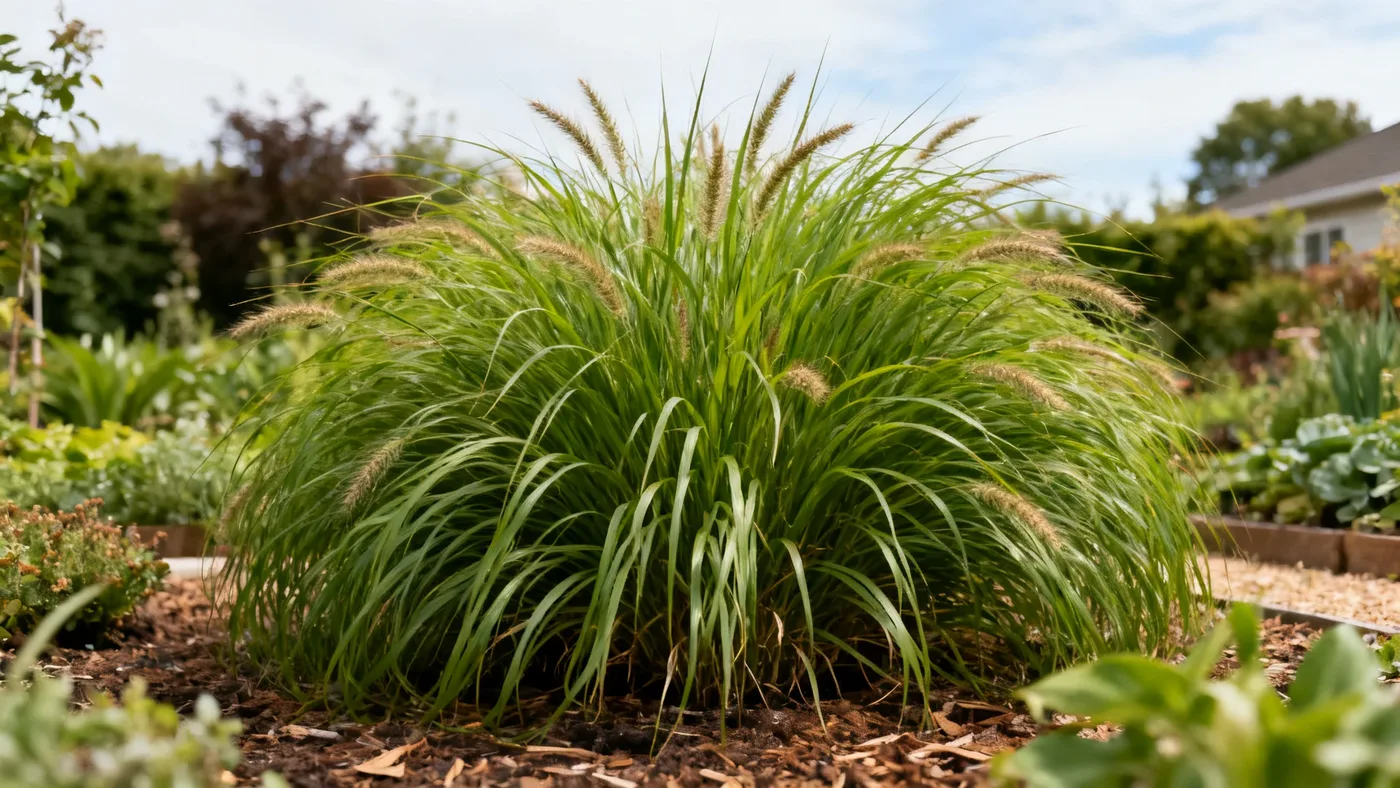
Do You Need to Fertilize Dwarf Fountain Grass? What and When
The short answer: Dwarf Fountain Grass is a light feeder. One single application of balanced slow-release fertilizer in spring is generally all it needs. Most home gardeners overwant to feed their plants, and with this ornamental grass, that's the fastest way to end up with a floppy, open habit instead of the tidy mounded shape you're after.
This guide walks through exactly when, what type, and how to fertilize your Dwarf Fountain Grass without shooting yourself in the foot.
Does Dwarf Fountain Grass Actually Need Fertilizer?
Not the way you might think. Dwarf Fountain Grass (Pennisetum alopecuroides 'Hameln') is adaptable to average soil and doesn't demand much nutrition. In fact, overfertilizing is one of the top reasons gardeners end up with weak, sprawling growth instead of the compact, fountain-shaped plant they expected.
That said, there's a real difference between established grass and a newly planted division. A fresh plant needs some support during its first growing season to build a strong root system and reach its full 18 to 24 inches in mature clump size. After that, the plant should be mostly self-sufficient if your soil is reasonably well-drained.
Think of it this way: if you are starting with poor or compacted soil, one spring feeding helps. If your soil is already decent garden loam with some organic matter worked in, you might not need to fertilize at all once the grass is established.
What Type of Fertilizer Works Best for Fountain Grass
Use a balanced slow-release fertilizer. This means a product with roughly equal parts nitrogen, phosphorus, and potassium (like a 10-10-10 or 12-12-12 formula).
Slow-release formulas are critical here. They feed the grass steadily over 8 to 12 weeks instead of all at once. Quick-release fertilizers can trigger a flush of tender new growth that flops over, especially if applied too heavily or if the plant is also receiving abundant water.
Common slow-release products include:
- Granular slow-release fertilizers (most common and easiest to apply)
- Organic options like fish emulsion or seaweed extract diluted to label strength
- All-purpose balanced fertilizers labeled "slow-release," "controlled-release," or "timed-release"
Avoid high-nitrogen formulas (like lawn fertilizers with N numbers above 20). They push leafy growth at the expense of structure and will definitely cause the grass to flop.
When to Fertilize: The Spring Window
Apply fertilizer once per year, in spring after the last frost and just as new growth is emerging from the clump.
In USDA zones 5 to 9 (where Dwarf Fountain Grass thrives), this typically means late March through mid-May, depending on your local growing season. If you are not sure of your last spring frost date, check with your local cooperative extension.
The timing matters because:
- The grass is metabolically active and can use the nutrients
- You avoid stimulating growth late in the season, which can make the plant less hardy heading into winter
- One spring feeding is enough; the plant does not need fertilizer again in summer or fall
Do not fertilize in fall. The dried foliage and structure protect the crown through winter, and a fall feeding would encourage soft new growth that frosts could damage.
How to Apply Fertilizer: Step-by-Step
Materials You'll Need
- Balanced slow-release fertilizer (granular works best)
- Garden gloves
- Watering can or hose
- Measuring cup or scoop (if not using a shaker bottle)
Steps
- Prune the grass first (late winter or early spring). Cut the entire clump back to 2 to 4 inches tall before new growth emerges. This is usually done in late February or early March in most zones. New shoots will come up clean and fresh, making it easier to see the base of the plant and apply fertilizer accurately.
- Let the new growth start. Wait 1 to 2 weeks after pruning for new shoots to emerge and reach 2 to 3 inches. This ensures the grass is actively growing and ready to take up nutrients.
- Measure out the right amount. Follow the package instructions for the amount per plant. Most balanced slow-release products recommend 1 to 2 tablespoons per plant depending on the fertilizer concentration and mature size. A mature Dwarf Fountain Grass clump spreads 18 to 24 inches, so the amount is relatively modest.
- Scatter the granules around the base. Sprinkle the fertilizer evenly in a circle around the base of the clump, staying 2 to 3 inches away from the center to avoid direct contact with emerging shoots. You can work it lightly into the top inch or so of soil with your fingertip.
- Water thoroughly. Immediately water after applying granular fertilizer. This activates the slow-release mechanism and carries the nutrients into the soil. A good deep soaking encourages root uptake.
- Don't fertilize again that year. One spring application is enough. Resist the urge to apply more in summer or fall, even if growth seems slow.
Fertilizing a Newly Planted Dwarf Fountain Grass
If you have just planted a division (a small nursery-grown clump in a quart, 1-gallon, or 3-gallon container), the approach is slightly different.
First season: Apply a light balanced slow-release fertilizer once at planting time or 4 weeks after planting, once the plant has settled in. You can also skip the spring fertilizer and apply it in early summer (June) if planting in late spring.
Second season and beyond: Follow the standard spring-only schedule once the grass is established (roughly 2 to 3 growing seasons after planting, when the clump reaches mature size).
Young plants appreciate consistent moisture their first year, and that combined with one spring feed is usually enough to support steady growth of 6 to 12 inches per season during establishment.
Tips to Prevent Over-Fertilizing
Tip 1: Less is always better. A light feeder means it. If the plant looks decent and isn't pale or stunted, skip the fertilizer or apply half the recommended rate. Erring on the low side of fertilizer is nearly impossible to regret.
Tip 2: Test your soil first. If you have never had your soil tested, consider a simple nutrient test through your local extension office. Many soils are already adequate in nitrogen and phosphorus, which means fertilizer is unnecessary or would be wasted.
Tip 3: Build soil health instead. Rather than fertilizer alone, a 1 to 2 inch layer of compost worked lightly into the top of the soil before planting goes a long way. Organic matter improves drainage, feeds the plant steadily over time, and supports the soil microbes that help roots absorb nutrients.
Tip 4: Watch for signs of overfeeding. If the grass starts to flop, looks weak and open rather than tidy and upright, or shows pale or yellowing foliage late in the season, overfeeding (or overwatering, or too much shade) may be the culprit. Stop fertilizing and evaluate sun, drainage, and watering.
Tip 5: Choose slow-release, never fast-acting. Quick-release fertilizers spike the nitrogen and cause the same floppy growth problem. Slow-release products feed steadily for 8 to 12 weeks and are the right call for ornamental grasses.
Common Mistakes to Avoid
Mistake 1: Fertilizing a mature, established plant. If your grass has been in the ground for 3 or more years and looks full and healthy, you likely do not need to fertilize at all. A mature Dwarf Fountain Grass does not care much about extra food.
Mistake 2: Applying fertilizer in fall or summer. Late-season feeding encourages tender growth that can be winter-damaged. Stick to spring only.
Mistake 3: Using lawn fertilizer or high-nitrogen products. Lawn grass and ornamental grass have different needs. High nitrogen drives leafy, weak growth. The balanced slow-release approach is the right fit.
Mistake 4: Fertilizing a plant in shade or poorly drained soil. If the grass is floppy, pale, or struggling, the problem is usually light, water, or drainage, not lack of fertilizer. More food will not fix those problems and will make floppiness worse.
Mistake 5: Double-dosing to "catch up" on missed years. There is no need to apply extra if you skipped last year. One application per spring is the routine.
What to Expect After Fertilizing
After one spring feeding, you may notice slightly more robust growth and fuller clumps over the season, especially in the first 1 to 2 years after planting. Established plants often look the same whether they receive a spring fertilizer or not, because they are drawing on built-up soil reserves.
The real payoff of proper light feeding is what you avoid: weak, flopped growth; excessive self-seeding; or pale, stressed foliage. By keeping fertilizer minimal, you preserve the neat, upright fountain-like form that makes this grass worth planting.
Dwarf Fountain Grass typically blooms mid to late summer into fall (roughly July through September, varying by region), producing creamy tan to buff plumes that often emerge with a pinkish-purple tint. A healthy, well-balanced plant will set blooms reliably without any fertilizer boost. Overfeeding does nothing to improve flower production; it only risks the plant's structure.
For more on maintaining your Dwarf Fountain Grass year-round, see the dwarf fountain grass care guide.
Quick Reference: Fertilizing Dwarf Fountain Grass
| Aspect | Recommendation |
|---|---|
| Does it need fertilizer? | No, it is a light feeder. Optional for young plants or poor soil. |
| Best fertilizer type | Balanced slow-release (10-10-10 or 12-12-12) |
| Application rate | 1 to 2 tablespoons per mature clump (follow product label) |
| When to apply | Once in spring (late March to mid-May) after pruning and new growth starts |
| How to apply | Scatter granules around base, 2 to 3 inches from center. Water thoroughly. |
| Newly planted grass | Light spring feed (or one early-summer feed if planted late spring). |
| Established grass (3+ years) | Usually no fertilizer needed if soil is reasonable. |
| Avoid | Fall fertilizing, high-nitrogen products, quick-release formulas |
| Expected result | Slightly fuller growth in young plants; mature plants often show little change (which is fine). |
| Top mistake | Overfeeding, causing floppy habit instead of neat mound. |