Is Dwarf Fountain Grass Safe for Dogs and Cats?
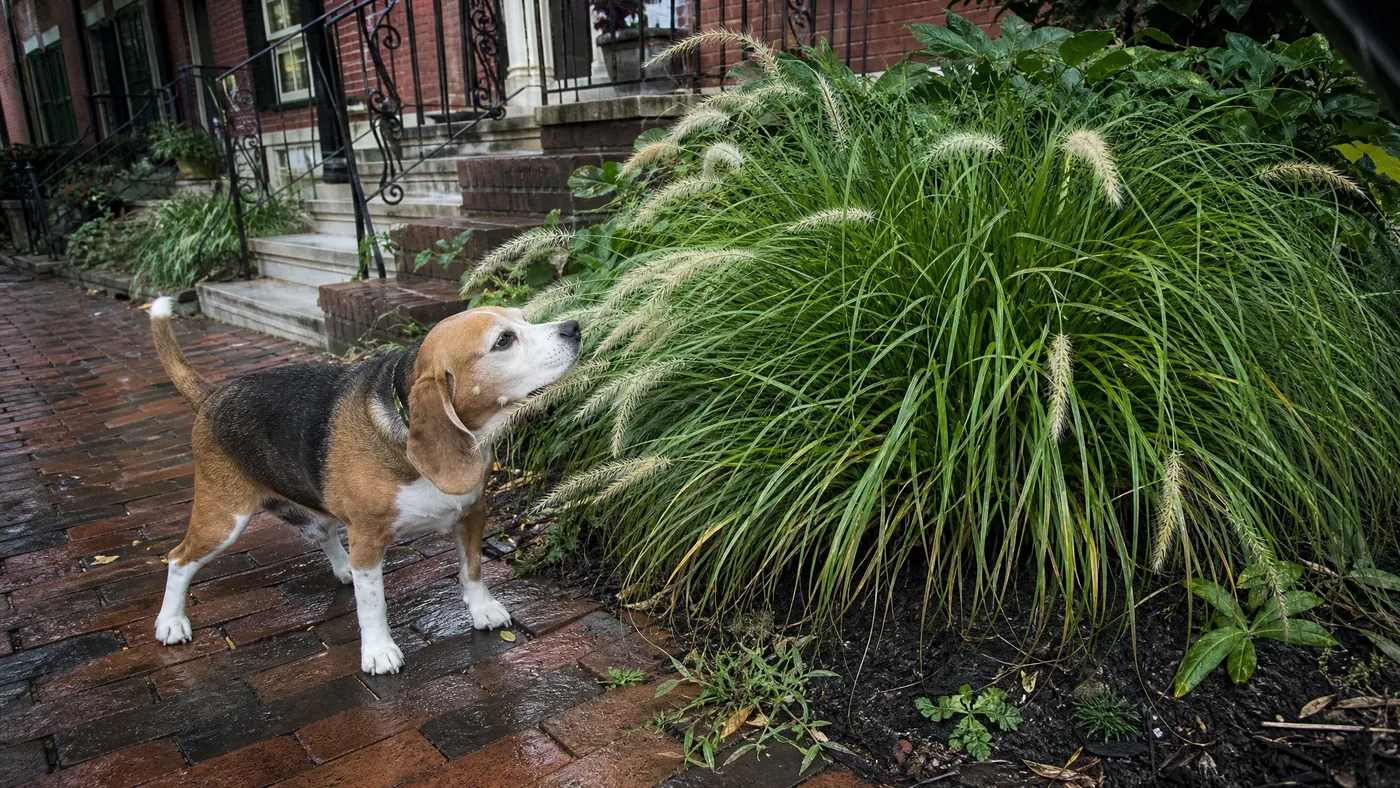
It is late September, the plumes are out, and your dog trots across the yard with a stalk of Dwarf Fountain Grass hanging from its mouth. You stand there wondering whether to panic. Take a breath, because the plant itself does not poison pets.
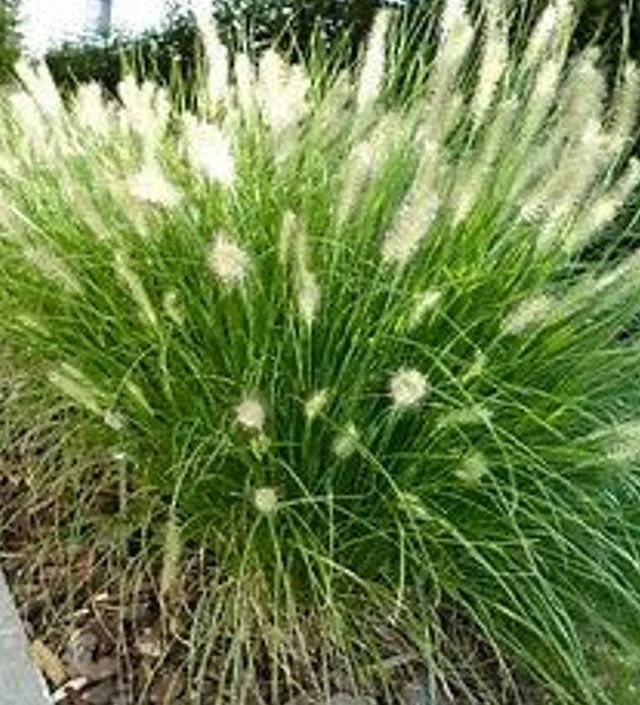
That said, it is not perfectly harmless either. The blades are fibrous, and the plumes carry bristly seed parts that love to cling to fur. Handled badly, that gives you a vomiting cat, a dog that will not stop licking one paw, or a sneezing fit in the fall. Handled well, you get a tidy, tough clump in a yard your animals can still enjoy.
This guide covers everything you need to know about pets around this grass, from chewing and vomiting to itchy paws, sneezing and sore eyes, plus how toxic it is and when a vet call is the right move.
Dog Chewing Dwarf Fountain Grass Blades
This is the sighting we hear about most, and the cause is mostly mechanical. The leaves are long, narrow and fibrous, so a dog that swallows a mouthful is swallowing roughage it does not digest well. A clump 2 to 3 feet tall and wide also sits right at nose and chest height for most dogs, so the blades are in reach on every pass.
Expect one of three outcomes: nothing at all, some drooling and gulping, or a puddle of grassy vomit an hour or two later. Any of those is common after a dog eats grass of any kind. One of the most common questions we get is whether a dog that shredded a few blades needs a vet. Usually it does not, as long as the dog stays bright, drinks water and eats its next meal.
What to Do in the Moment
Take the stalk out of your dog's mouth, offer water and watch the dog for the rest of the day. Do not try to make your dog vomit, and skip the home remedies. If one dog keeps going back for the clump, fix the setup instead of the dog: a chew toy on the walk, or a row of other plants between the path and the grass.
A chewed blade is a nuisance, not an emergency.
Dwarf Fountain Grass and the Vomiting Cat
Cats and ornamental grass go together the way cats and houseplants do, and the result is usually the same: a nibble, then a wet surprise on the rug. The stomach reacts to the fiber and the cat brings the wad back up. We often see cats treat a clump like a salad bar when nothing else green is nearby. Because fountain grass is non-toxic, this is a mechanical reaction, not poisoning.
Routine Grazing
One episode, grass visible in the vomit, a cat that goes back to acting like itself and eats at the next meal: that is routine, and you can stop worrying. The clump stays fairly intact through winter, so a grazing cat has the same buffet for months. A pot of cat grass indoors gives it a better option, and cutting the clump back in late winter removes the dried leaves.
Vomiting That Is Not Routine
Worry when the vomiting repeats, when the cat cannot keep water down, or when it retches over and over with nothing coming up. Hiding, flat energy and skipped meals matter more than the vomit itself. A cat that gags and paws at its mouth may have a bit of leaf or seed lodged there. Any of these is a phone call to your vet, not a wait-and-see.
Pawing, Shaking or Licking After a Walk Past Dwarf Fountain Grass
Here the culprit is the seed head. In late summer and fall the plumes are covered in bristly spikelets, and the seed attaches to clothes or fur by hooks. A dog that brushes an arching plume picks up a few. A dog that bulldozes through the clump picks up dozens. Then come the sudden stop to chew a toe, the shake that fixes nothing and the licking that runs all evening.
Where the Awns Hide
Check between the toes and under the pads first, then the armpits, the groin, behind the ears and under any collar or harness. Long coats and feathered legs collect the most and hide the problem until the dog is already uncomfortable. A dog that licks the same spot again and again is telling you exactly where to look.
Taking Them Out
Work slowly with your fingers and a wide-toothed comb, and lift each awn out instead of yanking hair. Spread the toes and look at the skin between them in good light. If one is working into the skin, the spot is red or swollen, or the dog will not let you near it, stop and call your vet. Tweezers at home go wrong faster than they go right.
Because the plumes arrive in summer and last well into fall, this check belongs in your walk routine for months. Run your hands over the coat after every outing and most of this never gets started.
Sneezing or Coughing When Dwarf Fountain Grass Seed Heads Break Up
Seed heads loosen and fall apart as the season runs on, and the broken bits are small and sharp. The spikelets are bristly, and that bristle tickles a nose. A dog that shoves its face into the clump for a good sniff can pull fragments in, and a gust or a kicked-up clump does the rest.
A sneeze, or a short run of them right after a sniff, is ordinary. A cough or two that follows is usually the same story. What deserves attention is sneezing that goes on for hours, a nostril that bleeds or runs on one side only, a dog pawing at its face, or a cough that hangs on for days. Do not poke around in a nostril yourself. Your vet can look properly and safely.
If your dog treats the clump as a scent post, snip the plumes once they fade, before they break up, or move the grass away from the sniffing route. Either one beats wiping noses all winter.
Limping or Squinting Near the Plumes
A limp that starts after a walk, with a dog that holds one paw up or licks between its toes, is the classic sign of a bristle lodged in the paw. These parts are small enough to hide in the fur between the pads. Eyes are the other trouble spot. At 2 to 3 feet tall, the arching plumes sit at face height for a cat or small dog, and an eye can catch one.
How to Check
For paws, have your pet sit in good light, spread the toes and look at the webbing and the pads one by one. For eyes, look and do not dig. Squinting, a watering eye, pawing at the face or rubbing it along the carpet all point to something stuck or scratched. If anything is visible or the eye stays shut, go to the vet the same day, because eyes do not forgive guesswork.
Prevention is mostly placement. Plant a step back from walkways and dog runs, using the spacing guidance for borders, so plumes do not hang over the places your pets move fastest.
What the ASPCA Actually Says About Fountain Grass
The ASPCA says fountain grass plants are considered non-toxic to pets, and its words are "plant away." The catch is that the listing names Pennisetum setaceum, a related species, not 'Hameln', which is Pennisetum alopecuroides. We have not seen a separate entry under the cultivar, so we call it the closest listing and say so plainly.
What Non-Toxic Covers
It speaks to poisoning. Nothing in the leaves or seed heads is flagged as a toxin, which answers the questions people search for: whether this grass is toxic to dogs, and whether it is toxic to cats. On that count, it is not.
What It Leaves Out
A toxicity listing says nothing about fiber, bristles or hooked seed, which are the realistic risks covered above. It also says nothing about what you put on the plant. The University of Florida extension lists no pests or diseases of major concern for the cultivar, so there is rarely a reason to spray it. If you do treat the bed, read the label for pets first.
Signs That Mean Calling the Vet Today
Most grass trouble resolves on its own, but a few signs should not wait for tomorrow. Treat these as same-day calls, and go straight to an emergency clinic if your pet seems to be in distress:
- Vomiting that repeats, or a pet that cannot keep water down.
- Lethargy, hiding, or refusing food and water after a grass encounter.
- A squinting, watering or half-closed eye that does not clear quickly.
- Labored breathing, wheezing, a cough that will not quit, or nasal bleeding.
- Gagging, drooling or pawing at the mouth, which can mean something is stuck.
- A swollen, red or draining spot, or a limp that lasts, after a seed head season walk.
When you call, give the plant's name (Pennisetum alopecuroides 'Hameln', an ornamental grass), what your pet did with it and when the signs began. Mention whether the plumes were breaking up, and whether anything was sprayed or fertilized nearby. A photo of the clump and a seed head helps your vet more than a long description.
Keeping Pets and Dwarf Fountain Grass Together Calmly
The routine is short, which suits a plant that mostly wants to be left alone. Pick a spot that is not on your dog's usual run, keep the clump a step back from paths, and give your cat something greener to graze. The Dwarf Fountain Grass we grow arrives as a potted clump, so you can set it out and watch where your pets really walk before you commit to a spot. The care guide covers the rest of the upkeep.
Then add one habit for plume season, which runs from summer through the winter months, since the clump holds its shape. After walks, do a quick check:
- Comb through the coat and feel between the toes for stuck seed.
- Look at the eyes and nose for squinting, watering or sneezing.
- Watch for licking or chewing at one spot over the next hour.
In late winter, cut the foliage to the ground, as NC State advises, and the seed heads are gone until next year. For layouts that keep plumes out of the traffic lanes, see these landscaping ideas and companion plants.
Living Easily With Dwarf Fountain Grass and Pets
Dwarf Fountain Grass is safe for dogs and cats in the way that matters most: nothing in it is flagged as poisonous. The leftover risks are small and mechanical, from fibrous blades to hooked seed, and a quick check of your pet after plume season walks handles nearly all of them. Plant it, enjoy it and leave it alone.
Dwarf Fountain Grass
Nursery-grown Dwarf Fountain Grass in sizes from Quart Plant, shipped to your door.
From $49.49
Shop Now →Our growers raise Dwarf Fountain Grass on our own farms in full sun and fast-draining soil, with a single spring feeding. The same growers pot and pack every top-quality grass we send out. If you've decided this plant fits a home with pets, you can pick out a Dwarf Fountain Grass for your own garden.