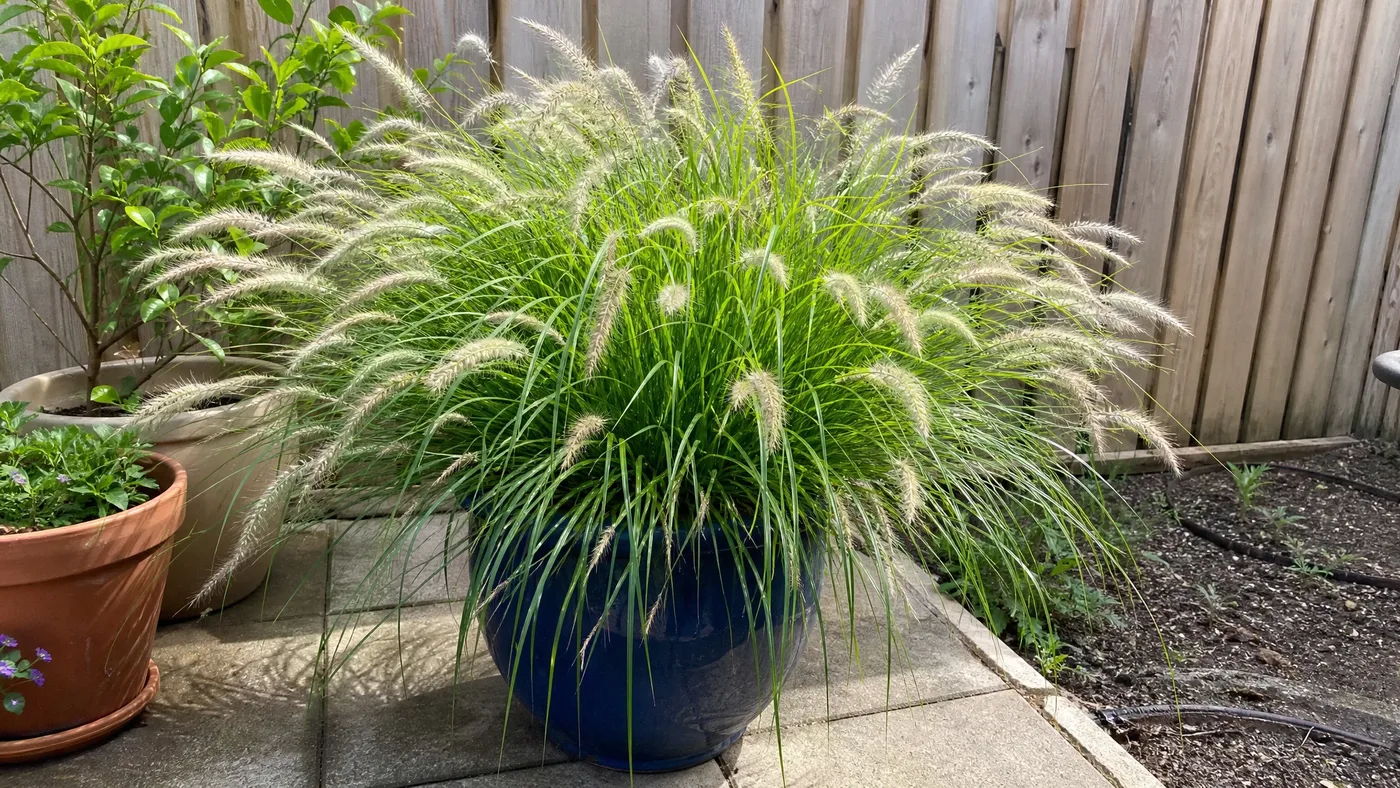
Where Is Dwarf Fountain Grass Native? Origin Explained
Picture a crate of nursery divisions sitting on a dock, the manifest in hand, and one line still blank: origin. For Dwarf Fountain Grass that line is more interesting than most. The species grows wild in East Asia and in Australia, two regions most buyers would never think to pair, long before any nursery truck loaded a single clump.
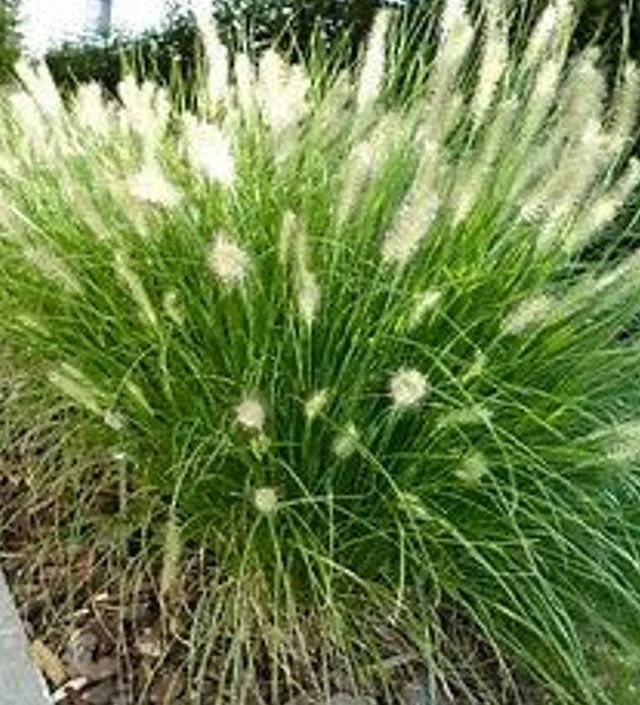
The answer matters in your yard. Origin explains the sun this grass wants, the drainage it likes and the zones it handles, and it settles whether it belongs in a native planting. Get it wrong and you end up with a warm-season grass sulking in shade or a non-native sitting where a native should be.
This article talks about where Dwarf Fountain Grass comes from and answers the questions customers ask us most. Read on to learn its native range and habitat, how it reached American gardens, why 'Hameln' became the standard compact selection, and what its origin means for zones, sun, soil and responsible placement.
Where Dwarf Fountain Grass Began in East Asia
Start with the name on the tag: Pennisetum alopecuroides. Some references now file it as Cenchrus alopecuroides, and you will see both in catalogs, but it is the same grass. The University of Wisconsin Extension describes a warm season perennial grass native to meadows and open woods alongside streams of Eastern Asia, mainly China and Japan, and Australia. So the short answer to the title is East Asia first, with Australia as the second home range.
Other university sources agree. The region of origin is East Asia and Western Australia, and its native range also takes in temperate and tropical Asia plus Australasia. Three sources word it three ways, and none of them puts this grass anywhere in North America.
The Wild Habitat
The species is found in open grasslands and savannas, and Wisconsin adds meadows, open woods and streamsides. Put those together and you get open, bright ground with grass for neighbors, from stream edges out to drier grassland. Nothing in that picture is a forest floor. It is also a warm-season grass, so it makes its growth as the weather heats up and does not hurry in a cold spring.
Every habit you see in the garden traces back to that setting. The sun demand, the tolerance for a range of soil moisture and the way it stands up through summer heat are all carried over from those meadows.
Where 'Hameln' Fits
The range above belongs to the species. 'Hameln' is a cultivar, a garden selection, so there is no wild population of it anywhere. It keeps the species' character but stays smaller, at 2 to 3 feet tall and wide, where the species can reach 2 to 4 feet. Customers usually ask us whether 'Hameln' grows wild somewhere. It does not. It started as a selection and has been multiplied ever since.
The Route From Asian Hillsides to Western Nurseries
Here is the honest limit of the record. The sources behind this guide describe where the plant grows wild and how it behaves in gardens, and none of them gives a clean shipping record with dates, ports and a named first crate. Any exact year for its first trip west would be invented, so we leave it out. What we can do is lay out the sequence the plant's own traits point to, step by step.
From Wild Stands to Garden Plants
The first step is the plant itself. A clumping grass with bottlebrush flower spikes that appear from mid-summer to fall is the kind of thing people notice and want to keep. Wild stands in China, Japan and Australia supplied that material. From there the plant moved the way ornamentals move: a clump or a handful of seed carried to a new place, grown on, watched and shared.
Division Does the Moving
The second step is multiplication. A named selection like 'Hameln' cannot be trusted to come true from seed, so growers make more of it by dividing clumps. That is the crate on the dock from our opening: divisions, each one a piece of the same original plant. Every 'Hameln' in a garden center today is a descendant of that process, not a fresh collection from the wild.
Why the Names Keep Changing
The last step is the paper trail, and it is messy. The same grass goes by Chinese fountain grass, dwarf fountain grass, Pennisetum alopecuroides and Cenchrus alopecuroides. If you go looking for introduction dates, search under every one of those names and ask your local extension service or botanical garden what they have on record. Anyone quoting you an exact year without a source is guessing.
How Dwarf Fountain Grass Arrived in American Gardens
In the United States this grass came through the nursery trade as an ornamental, not on its own. Wind and animals do not carry seed across an ocean, so every plant here traces to someone choosing it, packing it and planting it. What gardeners found was a tidy mound of fine leaves, plumes in summer and fall, and a plant that asked for very little once settled.
Why American Gardeners Took to It
The traits that made it useful here are the ones the sources keep repeating. The species is highly resistant to deer grazing, and no pests or diseases are of major concern for 'Hameln'. Add a plant that flowers in summer and fall and then, per Kansas State, turns bronze and stays fairly intact for winter, and you have a grass that earns its space in three seasons. Our guide on comparing popular cultivars shows how its siblings stack up.
How Far It Travels Inside the US
The species grows in zones 6a through 9b, so it covers a large part of the country from cold winters to hot summers. 'Hameln' pushes the cold edge further: Wisconsin rates it at zone 5 and notes it is often seen growing in zone 4 gardens. That spread across climates is why you find it in borders from the upper Midwest to the South, and why origin alone cannot tell you whether it suits your yard. Your zone does that.
Why the Hameln Cultivar Took Off in Trade
If you walk a nursery aisle, 'Hameln' is the dwarf fountain grass most buyers mean. It became the compact standard because it fixes the three complaints people have about bigger fountain grasses: size, seedlings and short seasons. Buyers often ask for it by name before they know anything else about it, and the reasons are all in the plant.
Compact Size Solves the Spacing Problem
Kansas State calls it a very compact, heavy-blooming fountain grass. The University of Florida puts it at 2 to 3 feet tall and 2 to 3 feet wide, against 2 to 4 feet for the species. That smaller footprint fits a front border or a pot without constant cutting back. Our size and growth guide has the full numbers.
Fewer Seedlings Than the Species
Florida states it plainly: unlike the species, this cultivar does not re-seed itself. Wisconsin is a little more careful, saying it does not reseed as prolifically as the species and many other cultivars. Read that as low risk, not zero risk, which matters again in the placement section below.
A Plant That Keeps Going
Bloom runs through summer and fall, the foliage turns bronze, and the clump holds its shape into winter. A buyer gets months of use from one plant, and a grower gets an easy plant to ship and sell. That combination, more than any single trait, is what put 'Hameln' ahead of the pack.
What Native Meadows Explain About Dwarf Fountain Grass Zones
Native habitat is the best predictor of how a plant behaves, and this one is no exception. A grass from open grassland, savanna and streamside meadow wants sun, tolerates a fairly wide range of soil moisture and does its growing in the warm months. The table below links each piece of the native setting to what it means for your planting.
| Native setting | What it means in your garden |
|---|---|
| Open grasslands, savannas and meadows | Full sun, meaning 6 or more hours of direct sunlight a day |
| Warm-season growth | Growth builds as the weather heats up, so expect a slow start in a cool spring |
| Streamsides and open woods | Dry to moist soil is fine as long as it drains well |
| Range from temperate to tropical Asia | A wide climate tolerance, with the cultivar's own limits listed below |
Sun and Soil
The species prefers a full sun position in dry to moist, well-drained soils and is drought-tolerant once established. 'Hameln' grows in acidic to slightly alkaline soil, so you rarely need to correct the pH. Heavy, soggy ground is the real problem, so read our guides on sun requirements and soil and drainage before choosing a spot.
Reading the Zone Numbers
You will see 5 through 9 on some tags. The cultivar is hardy in zones 5 through 8, the species as a whole grows in 6a through 9b, and Wisconsin calls 'Hameln' one of the hardiest cultivars at zone 5. Plan around the cultivar figure of 5 through 8. If you garden at the edge of that range, our hardiness zones guide goes deeper.
A Non-Native Plant That Still Behaves Itself
Dwarf Fountain Grass is not native to North America, and any tag or seller that implies otherwise is wrong. One of the most common questions we get is whether it will take over the garden. The honest answer has two parts: the species has a record of escaping, and the cultivar is the safer choice. The two should not be blurred together.
Non-Native Is Not the Same as Invasive
Common advice says to skip every non-native grass. That is too blunt. Chinese fountain grass spreads by seed carried on wind, clothes or fur, and it has escaped gardens and become problematic in some areas of the country. Wisconsin adds that in colder climates the species never becomes invasive the way it can in warmer areas. So the risk depends on your climate, and 'Hameln' lowers it further by setting fewer seedlings.
Placement Checklist
Run through this list before planting, using the points above.
- Ask your local extension service whether fountain grass is on a regional invasive list, especially if you garden in the warmer part of zones 6 through 8.
- Choose 'Hameln' over the species or seedy cultivars if seeding is a concern.
- Keep it away from natural meadows, woodland edges and streambanks, the same kind of ground it grows wild on at home.
- Cut off spent plumes before they shed if you see seedlings appearing, and do not dump trimmings in wild areas.
- Follow our planting guide so the clump establishes well and stays where you put it.
Dwarf Fountain Grass Travels Well, From Origin to Your Yard
The grass began in the meadows, open woods and grasslands of East Asia and Australia, reached American gardens through the nursery trade, and became the compact 'Hameln' most people buy today. Its origin explains the full sun, the well-drained soil and the warm-season rhythm, and its non-native status means a little care about where you plant it.
Dwarf Fountain Grass
Nursery-grown Dwarf Fountain Grass in sizes from Quart Plant, shipped to your door.
From $49.49
Shop Now →Dwarf Fountain Grass grows best the way it did in its native meadows, so on our farms it gets full sun and well-drained ground. As a small grower-run business, we only ship plants we would plant ourselves, which means top-quality grasses. If this guide has you thinking about bringing a bit of East Asia and Australia home, see the Dwarf Fountain Grass we have ready.