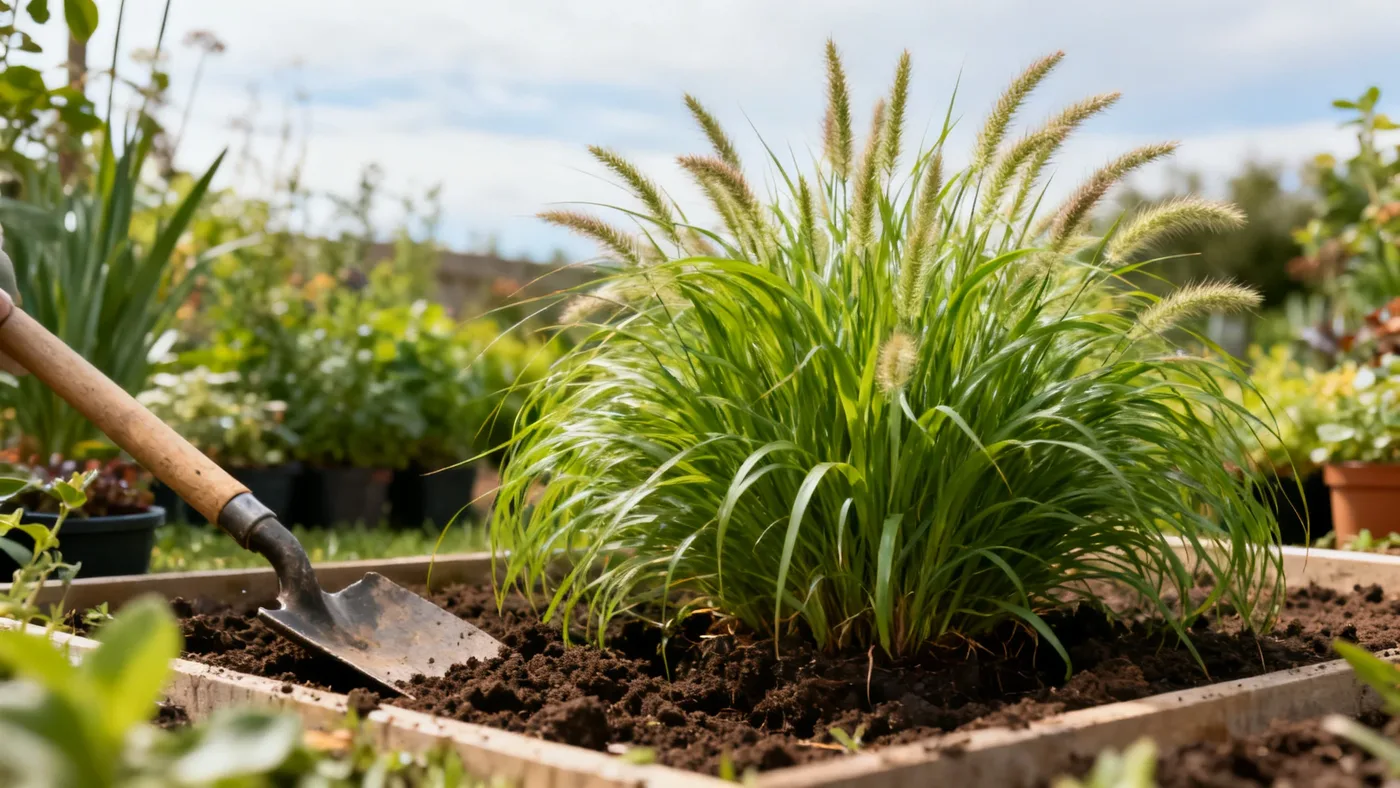
Dwarf Fountain Grass Landscaping Ideas and Companion Plants
Dwarf Fountain Grass (Pennisetum alopecuroides 'Hameln') brings movement, texture, and four-season interest to gardens across USDA zones 5-9. Whether you're designing a bold mass planting, softening hard edges with a border, or building a perennial mixed bed, this compact ornamental grass pairs beautifully with other plants and adapts to nearly any landscape role. This guide explores eight practical dwarf fountain grass landscaping ideas and the companion plants that will make your design cohesive and thriving.
1. Create a Formal Border or Edging
One of the most effective dwarf fountain grass border applications is using the plant as a living edge along pathways, driveways, or garden beds. Spaced 18 to 24 inches apart, Dwarf Fountain Grass matures into an 18 to 24-inch mound that softens hard lines without overwhelming the view. The fine-textured, arching blades create a graceful transition and the creamy tan to buff plumes that emerge mid to late summer add vertical interest without blocking sightlines.
Because Dwarf Fountain Grass tolerates light to part shade and reaches full size in 2 to 3 years, it's forgiving in establishing borders. The plants remain attractive from summer blooms through winter, when the dried seedheads catch frost and light. In late winter or early spring, simply cut the entire clump back to 2 to 4 inches before new growth emerges, and you'll have a neat, renewed edge by late spring.
Practical takeaway: Plant on 18 to 24-inch centers for a full border effect within two seasons. Mulch between plants the first year and water regularly during establishment.
2. Design a Mass Planting for Dramatic Impact
Mass plantings of Dwarf Fountain Grass create landscape drama with minimal maintenance. Planting three, five, or more plants in a drift (at 18 to 24-inch spacing) produces a unified, flowing effect that appears intentional and mature. A mass planting is also an efficient way to fill a large garden space; the plants' moderate growth rate means they'll knit together within 2 to 3 seasons, eventually forming a textured wave of foliage and plumes.
This approach to dwarf fountain grass landscaping ideas works especially well on slopes or in island beds where you want erosion control and visual impact without fussy design. The grass's moderate drought tolerance once established makes it suitable for low-water beds, and the grouping showcases the plant's full seasonal show: mid-green summer foliage, pinkish-purple plumes emerging in mid to late summer, and golden tan to bronze fall color.
Practical takeaway: Plan for 5 to 7 plants in a 12-foot-wide bed. Space them evenly and water the first season; after that, they're drought tolerant and require no feeding or staking.
3. Pair with Sedum for Year-Round Structure
Sedum 'Autumn Joy' is one of the best companion plants for dwarf fountain grass because the two plants share similar cultural needs and complement each other structurally. While Dwarf Fountain Grass is airy and vertical, Sedum is low and mounded, creating layered texture. Both thrive in well-drained soil, tolerate average moisture, and are naturally pest-resistant. Plant Sedum in front of or interspersed with Dwarf Fountain Grass at the same 18 to 24-inch spacing intervals to create a unified composition.
This pairing extends visual interest through all seasons. In summer, the grass's creamy plumes rise above the Sedum's green flower heads. In fall, the Sedum turns rusty red while the grass shifts to golden tan, creating rich color harmony. Both plants retain winter structure when left uncut, so the bed remains attractive through frost and snow. In late winter or early spring, prune the grass back to 2 to 4 inches and cut back the Sedum to 4 to 6 inches.
Practical takeaway: Alternate Sedum and Dwarf Fountain Grass in a mixed border. Use Sedum as a groundcover frame and allow the grass to emerge through it for textural depth.
4. Combine with Black-Eyed Susan for Bold Color
Black-eyed Susan (Rudbeckia) is a classic companion plant for dwarf fountain grass, pairing the grass's neutral, creamy tan plumes with the flower's warm golden yellow petals. Both plants bloom from mid to late summer into fall, creating a long season of color and texture. The flower provides bright pops of color while the grass adds movement and airy texture behind it. In a mixed perennial bed, use Rudbeckia as your focal color and Dwarf Fountain Grass as the structural backdrop.
These two thrive together because they have matching sun and moisture needs: full sun for best performance, though both tolerate light shade, and average moisture with good drainage. Rudbeckia reaches 2 to 3 feet depending on variety, so it will rise slightly above the grass's 24 to 30-inch height with plumes. Space them 18 to 24 inches apart and mulch well the first season. Once established, they need minimal supplemental watering and no fertilizer.
Practical takeaway: Plant Rudbeckia in clusters of three or five in front of or beside drifts of Dwarf Fountain Grass to maximize color impact without crowding.
5. Layer with Purple Coneflower for Pollinator Appeal
Purple coneflower (Echinacea) offers garden structure and a softer mauve-to-pink color that pairs harmoniously with the pinkish-purple plumes of emerging Dwarf Fountain Grass. Both are drought-tolerant once established and reach maturity in 2 to 3 years, making them ideal partners in a low-maintenance perennial composition. The coneflower's daisy-like form contrasts beautifully with the grass's fine texture, creating visual interest from multiple angles.
In late summer through fall, the coneflower's seedheads persist alongside the grass's mature plumes, adding depth to the garden even as other plants fade. Both are naturally resistant to deer and rabbits, so if wildlife pressure is a concern in your area, this pairing is especially reliable. Space plants 18 to 24 inches apart in full sun, water during the first season, and then enjoy years of minimal maintenance.
Practical takeaway: Use Echinacea as a structural repeater throughout a perennial bed, interspersed with Dwarf Fountain Grass for a cohesive, naturalistic composition.
6. Create Height and Movement with Russian Sage
Russian sage (Perovskia) brings airy, lavender-blue flowers on tall stems that rise above Dwarf Fountain Grass, creating layered height in a fountain grass garden design. The combination of the grass's fine, horizontal foliage and the sage's upright, spiky form creates dynamic movement even in a still garden. Both plants have silvery-gray undertones to their foliage, creating a cohesive color story that shifts from summer greens to fall bronzes and tans.
Both are low-input plants that thrive in well-drained soil and full sun. Russian sage can reach 3 to 4 feet in height, so position it where it won't shade the Dwarf Fountain Grass. Space them 18 to 24 inches apart and expect 2 to 3 seasons for the full design to mature. Once established, neither plant needs supplemental water or fertilizer. In late winter, cut both back to 2 to 4 inches and let them regrow stronger than before.
Practical takeaway: Plant Russian Sage behind Dwarf Fountain Grass to create a tiered, textured effect. The tall sage stems will emerge through and above the grass for maximum visual interest.
7. Design a Rock Garden or Drought Border
Dwarf Fountain Grass excels in rock gardens and xeriscaped borders where water is limited. Once established, the plant is highly drought-tolerant and thrives in average, well-drained soil, even sandy or clay soils that other plants find inhospitable. Its mature height of 18 to 24 inches fits naturally among stone features, and the creamy tan plumes echo the color palette of gravel and rock mulch. Use Dwarf Fountain Grass as a focal point in a rock garden design, grouping 3 to 5 plants at 18 to 24-inch spacing.
Combine dwarf fountain grass landscaping in a rock garden with low-growing succulents like stonecrop or sempervivum, creeping thyme, or creeping phlox. These companions need the same lean, well-drained conditions and won't compete with the grass for water or nutrients. The fine texture of the grass contrasts beautifully with the fat leaves of sedums and the dense mats of creeping groundcovers. Water deeply at planting, then let established plants fend for themselves except during extreme drought.
Practical takeaway: Choose rock garden companions that share the same drought tolerance and avoid plants that prefer rich, moist soil.
8. Grow in Containers for Flexibility and Winter Protection
Dwarf Fountain Grass performs well in containers with well-drained potting mix, offering flexibility for renters, small spaces, and areas where in-ground planting isn't practical. In colder zones (5 to 6), container-grown plants can be overwintered indoors in an unheated garage or moved to a protected location after the foliage dies back. A single plant in a 12 to 18-inch container looks elegant on a patio, deck, or porch, where its fountain-shaped mound and creamy plumes are visible from multiple angles.
For best results, use a container with drainage holes and a quality potting mix (not garden soil). In warm zones (7 to 9), you can leave the container in place year-round; in colder zones, bring it indoors or wrap the container and mulch heavily around it to protect the crown through winter. Water regularly during the growing season, but allow the soil to dry slightly between waterings to prevent crown rot. Apply a balanced slow-release fertilizer once in spring; over-fertilizing causes floppy, open growth.
Practical takeaway: For zones 5 to 6, plan to move the container to an unheated garage or shed after frost kills back the foliage. For zones 7 to 9, containerized plants can overwinter outdoors with heavy mulch around the base.
9. Use on Slopes and for Erosion Control
The moderate growth rate of Dwarf Fountain Grass (6 to 12 inches of spread per year during establishment) and its fibrous root system make it an excellent choice for erosion control on slopes. Plant on 18 to 24-inch centers and water regularly during the first season to establish a strong root network. The plants will fill in within 2 to 3 years, creating a living mat that stabilizes soil and prevents runoff. Once mature, the grass's drought tolerance means slopes require minimal irrigation.
For a natural-looking slope treatment, combine Dwarf Fountain Grass with slope-appropriate companions like creeping sedge, ornamental fescues, or low-growing perennials such as creeping phlox or salvia. The varied textures and colors will look intentional rather than utilitarian, while the mixed root systems provide superior erosion control. Mulch generously between plants the first year to conserve moisture and prevent erosion during establishment.
Practical takeaway: Space plants 18 to 24 inches apart and expect full soil coverage within 2 to 3 years. Avoid high-impact activities on the slope during establishment.
Quick Reference: Dwarf Fountain Grass Companion Planting Checklist
| Landscape Use | Companion Plants | Spacing | Sun | Zones |
|---|---|---|---|---|
| Border/Edging | None required | 18-24 in | Full sun to part shade | 5-9 |
| Mass Planting | None required | 18-24 in | Full sun to part shade | 5-9 |
| Mixed Border | Sedum 'Autumn Joy', Rudbeckia, Echinacea, Perovskia | 18-24 in | Full sun | 5-9 |
| Rock Garden | Stonecrop, Sempervivum, Creeping thyme | 18-24 in | Full sun | 5-9 |
| Containers | None required | One plant per 12-18 in pot | Full sun to part shade | 5-9 (zone 5-6 need protection) |
| Slope/Erosion | Sedge, ornamental fescue, creeping phlox | 18-24 in | Full sun to part shade | 5-9 |
Getting Started with Dwarf Fountain Grass Landscaping
The beauty of incorporating Dwarf Fountain Grass into your landscape is that it adapts to almost any design role, from formal borders to naturalistic drifts. Plant in spring after the last frost for best establishment. Water regularly during the first season to develop a strong root system. In late winter or early spring of subsequent years, cut the entire clump back to 2 to 4 inches before new growth emerges. Apply only light, balanced fertilizer once in spring; over-feeding causes floppy, open habit. The plant reaches full mature size in 2 to 3 seasons, so patience during establishment pays off with years of minimal-maintenance beauty.
For detailed care instructions and seasonal timelines, check the complete care guide. Whether you're creating a practical border, designing a colorful mixed perennial bed, or solving an erosion problem, Dwarf Fountain Grass and its ideal companion plants will deliver reliable, beautiful results season after season.