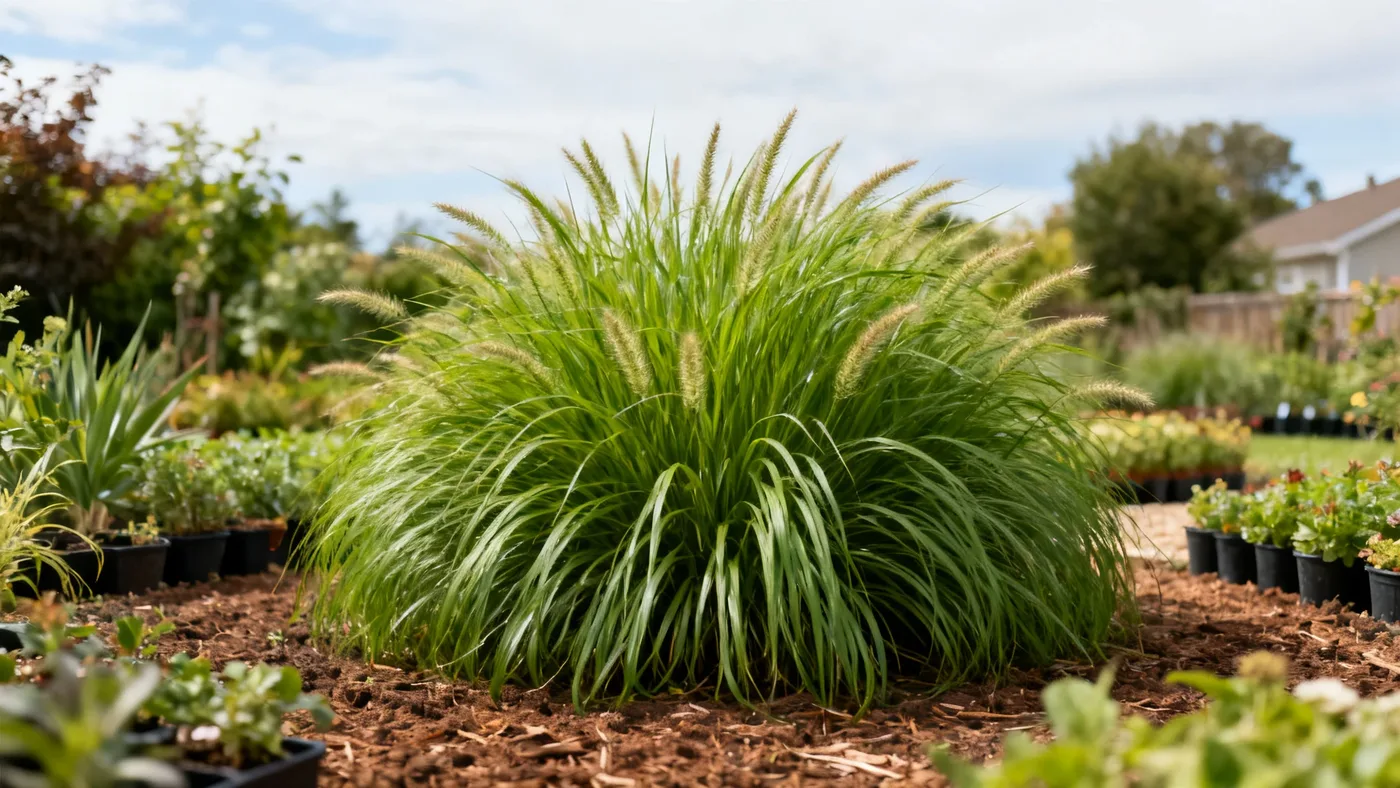
Dwarf Fountain Grass Pests, Diseases and Common Problems
Dwarf Fountain Grass (Pennisetum alopecuroides 'Hameln') is generally a low-maintenance perennial that resists deer and rabbits. But like any ornamental plant, it can run into trouble. The good news: most dwarf fountain grass problems are preventable, and those that do appear respond well to straightforward fixes.
This guide covers what causes the most common issues, how to spot them early, and what action gets your grass healthy again. All figures and recommendations come from horticultural practice and plant specifications for this cultivar.
1. Crown Rot from Poor Drainage
Crown rot is the most serious dwarf fountain grass problem you'll encounter, and it's almost entirely preventable. This fungal rot attacks the base of the clump, where the crown meets the soil. Once it takes hold, the entire plant collapses from the center outward.
Crown rot happens when water pools around the crown for extended periods. This cultivar tolerates average moisture, but it absolutely dislikes constantly wet ground. Heavy clay soils, low-lying planting spots, or overwatering are the usual culprits. Symptoms appear as a darkened, mushy base that smells sour. The foliage above wilts even when soil feels moist, because the roots are rotting and can't absorb water.
Prevention is the only reliable fix. Plant in well-drained soil, never in a swale or spot that holds water after rain. Space plants 18 to 24 inches apart to allow air circulation around the base. In clay soils, amend the planting hole generously with compost or coarse sand to improve drainage. Once crown rot takes hold, the plant cannot be saved. Remove and discard it entirely (do not compost). Do not replant in the same spot without significant soil amendment.
2. Rust on Leaf Blades
Rust is an occasional fungal disease that appears as rust-colored or orange pustules on the leaf blades. It's most common in regions with humid summers or in plantings where air circulation is poor. Infected leaves may yellow and wither prematurely. Rust rarely kills dwarf fountain grass outright, but it can weaken the plant and make it look shabby during peak bloom season.
The fungus spreads via water splash and high humidity. Crowded plantings, overhead watering, and poor air circulation create ideal conditions. If you notice rust spots in mid-summer, remove the affected leaf blades by hand or trim them back slightly. This removes the visible pustules and improves air flow at the base of the clump.
For prevention, maintain the 18 to 24 inch spacing between plants and avoid wetting foliage when you water. Water only at the soil line, early in the morning. In very humid climates or crowded borders, a single fungicide application in early July (at the start of bloom) may help, though it's rarely necessary for this cultivar. Most gardeners see rust clear up on its own as humidity drops in fall.
3. Leaf Spot Fungus
Leaf spot is another occasional fungal disease that causes small, dark circular spots or streaks on the foliage. The spots may have a yellow halo and often appear first on lower leaves. Like rust, leaf spot thrives in humid conditions and crowded plantings. It's less serious than crown rot but can make the plant look ragged if left unchecked.
The disease spreads through water droplets and debris. Again, the answer is air flow. Prune away the lowest inch or two of foliage to reduce moisture and improve circulation. Remove any spotted leaves as soon as you notice them. Make sure plants have adequate spacing (18 to 24 inches minimum) and avoid overhead watering.
Leaf spot typically appears in mid to late summer and may persist into fall if conditions stay humid. In most cases, it clears up naturally when the plant enters dormancy and you cut back the dead foliage in late winter. If the problem is severe enough to warrant a fungicide, use a broad-spectrum product labeled for ornamental grasses and follow label directions carefully. For most gardeners, improved air circulation is enough to keep leaf spot from becoming an eyesore.
4. Fountain Grass Mealybug Infestation
Mealybugs are occasional pests on fountain grass, though their significance varies by region. These small, soft-bodied insects cluster on leaf blades and feed on plant sap. They appear as tiny white cottony masses on the foliage. Affected leaves may yellow, and severely infested plants show stunted growth. Mealybugs also secrete honeydew, a sticky substance that attracts sooty mold.
If you spot mealybug colonies, rinse them off with a strong stream of water from the hose. This disrupts the pests and removes many of them from the plant. For light infestations, this single treatment often suffices. For heavier infestations, apply an insecticidal soap or horticultural oil spray in early summer (around June or July, before heavy bloom). These products are organic-approved and safe for ornamental use when applied according to label directions.
Inspect your plants regularly during the growing season, especially if mealybugs are common in your area. Stressed plants are more vulnerable to infestation, so keep your dwarf fountain grass healthy through proper watering and spacing. Natural predators like ladybugs help keep mealybug populations in check, so avoid broad-spectrum pesticides that would harm beneficial insects.
5. Floppy, Open Growth Habit
Dwarf fountain grass sometimes develops a floppy, wide-open habit instead of the tight, upright mound you expect. The blades arch outward and downward more than they should, and the plant looks loose and unkempt. This is one of the most common dwarf fountain grass problems, and it's almost always a cultural issue, not a pest or disease.
Three factors cause floppiness: too much shade, overwatering, or excess nitrogen fertilizer. This cultivar needs full sun to maintain an upright, fountain-like form. Plant it where it gets at least 6 to 8 hours of direct sun daily. In part shade, the plant stretches and sprawls. Similarly, overwatering promotes soft, weak growth that cannot hold itself up. Remember that once established (after the first season), dwarf fountain grass is drought-tolerant and needs regular water only during its first season. Mature plants perform best with average moisture, not wet soil.
Excess nitrogen fertilizer is a sneaky culprit. This grass is a light feeder. A single balanced slow-release application in spring is all it needs. Over-fertilizing, especially with high-nitrogen formulas, triggers lush, floppy growth. If you suspect excess feeding, reduce or skip fertilizer next year. Most floppy plants can be reclaimed by improving light exposure and adjusting water and fertilizer. The plant may look better in its second or third year as it adjusts to the right conditions.
6. Browning Foliage and Leaf Tip Dieback
Browning is a symptom, not a disease. When dwarf fountain grass foliage turns brown prematurely (before the golden fall color arrives naturally in September), something is wrong. The most common causes are salt stress, drought stress, or root problems from overwatering.
Salt damage appears as browning of leaf tips and edges, often in a scorched pattern. This happens in coastal gardens, near salt-treated roads, or where deicing salts splash onto plants. This cultivar has moderate salt tolerance, meaning it handles salt better than many ornamentals but is not salt-proof. If salt is a factor, rinse the foliage with fresh water in spring and avoid planting directly in the splash zone of roadways.
Drought stress causes browning, but only in newly planted specimens (within the first season). Mature, established plants rarely brown from lack of water, because they are quite drought-tolerant once rooted in. If a new plant browns despite regular watering, check for root rot by gently examining the base. Established plants that brown despite normal rainfall may have root-zone problems. Hold off watering for a few days and check soil moisture at 3 inches deep before adding more water.
7. Self-Seeding and Unwanted Spread
In warmer zones (particularly zones 8 and 9), dwarf fountain grass can self-seed and spread into areas where it is not wanted. The species Pennisetum alopecuroides is flagged as potentially invasive in parts of the mid-Atlantic and southeastern United States. This cultivar, 'Hameln', produces markedly less viable seed than the wild species, but it is not fully sterile, so some regions and extension offices still advise caution.
If you garden in a state or region where P. alopecuroides is on a watch list or invasive species advisory, check your local extension service or state invasive plant list before planting this cultivar. Some gardeners choose to remove seedheads before they ripen (typically in late August or September, before the plumes fully dry). Others deadhead spent blooms routinely. This removes the visual interest of fall seedheads but prevents any unwanted spread.
If seedlings do appear in unwanted spots, pull them when young. Mature clumps are very difficult to dig out. In zones 5 to 7, self-seeding is rarely a concern because conditions are not warm enough for seed viability.
Quick Reference: Dwarf Fountain Grass Problems, Pests, and Diseases
| Problem | Signs | Cause | Fix |
|---|---|---|---|
| Crown Rot | Mushy, darkened base; wilting foliage; sour smell | Constantly wet soil | Plant in well-drained soil; space 18-24 in apart; remove and discard infected plant |
| Rust | Orange or rust-colored pustules on leaves; yellowing | Humidity; poor air flow | Remove affected leaves; improve spacing to 18-24 in; water at soil line only; consider fungicide in very humid zones |
| Leaf Spot | Dark circular spots with yellow halo; foliage looks ragged | Humidity; crowded planting | Prune lower foliage; maintain 18-24 in spacing; avoid overhead watering |
| Mealybug | Tiny white cottony masses on leaves; yellowing; sticky residue | Pest infestation; stressed plant | Rinse with water; use insecticidal soap in June/July if needed; maintain plant health |
| Floppy Growth | Blades arch outward; loose, open habit | Too much shade; overwatering; excess fertilizer | Plant in full sun (6-8 hrs daily); reduce water for established plants; apply balanced slow-release fertilizer only once in spring |
| Browning Foliage | Brown leaf tips or edges before fall; premature color | Salt stress; root problems from overwatering | Rinse foliage if salt is present; check soil drainage; allow soil to dry slightly between waterings |
| Unwanted Seedlings | Small grass seedlings in surrounding beds | Self-seeding in zones 8-9; warm conditions | Check local invasive list; consider deadheading seedheads in late summer; pull young seedlings |
For more on keeping dwarf fountain grass healthy year-round, see our dwarf fountain grass care guide. Most problems are easily prevented by planting in the right location with proper drainage and spacing. When issues do arise, quick action keeps them from spreading.