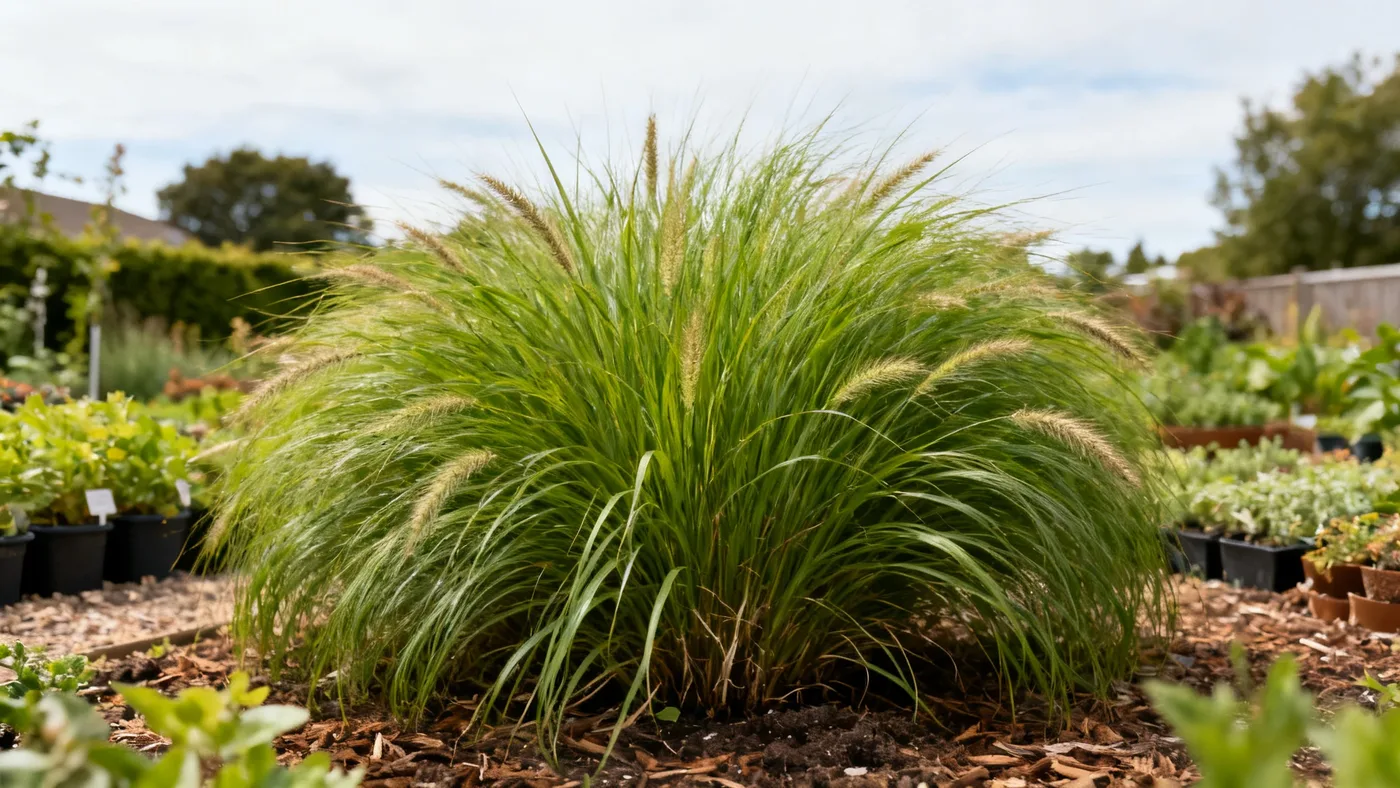
Is Dwarf Fountain Grass Drought Tolerant? Heat and Dry Soil Guide
Dwarf Fountain Grass is one of the most reliable drought tolerant ornamental grasses for home gardens. Once established, this warm-season perennial thrives in hot, dry conditions with minimal supplemental water. This FAQ answers the most common questions about its water needs, heat performance, and long-term care in low-water landscapes.
Drought Tolerance and Water Needs
Is Dwarf Fountain Grass truly drought tolerant once established?
Yes. Once established, Dwarf Fountain Grass (Pennisetum alopecuroides 'Hameln') has high drought tolerance and can thrive on natural rainfall alone in most regions. The plant's fine-textured, deep-rooted clump system allows it to access moisture even during extended dry periods. After the first season, supplemental watering is rarely necessary unless you experience prolonged drought lasting several months.
How long does it take for Dwarf Fountain Grass to become drought tolerant?
Establishment typically takes one full growing season. During its first year, you should water regularly to help the plant develop a strong root system. By the second year, your Dwarf Fountain Grass will be self-sufficient and require water only during severe, extended droughts. The plant reaches its full mature clump size, roughly 18-24 inches wide, within 2-3 seasons of planting.
Should I water newly planted Dwarf Fountain Grass?
Absolutely. New plantings appreciate regular water during their first season to establish roots. Water deeply once or twice weekly during hot months, keeping the soil consistently moist but not waterlogged. Once the plant is established the following year, you can cut back to watering only during dry spells lasting more than two weeks without rain.
How much water does Dwarf Fountain Grass need if I don't have drought conditions?
The plant adapts well to average moisture conditions and grows satisfactorily with regular garden watering. It does best in well-drained soil regardless of moisture level. Avoid constantly wet ground, which can lead to crown rot and reduce the plant's vigor.
Heat and Sun Requirements
Does Dwarf Fountain Grass handle extreme heat?
Yes. This is a warm-season grass that performs exceptionally well in hot climates. Dwarf Fountain Grass is hardy in USDA zones 5 through 9, and it actually thrives in the heat and sun of zones 7-9. The hotter and sunnier your location, the more vigorous and floriferous the plant becomes.
What's the best sun exposure for heat tolerance?
Full sun is ideal for Dwarf Fountain Grass, especially in hot climates. The plant performs best with at least 6-8 hours of direct sun daily. While it tolerates light or part shade, too much shade results in fewer blooms, a floppier, less compact habit, and reduced heat performance. Full sun keeps the clump tight and the plumes abundant.
Can I grow Dwarf Fountain Grass in partial shade?
The plant tolerates light or part shade but will not perform at its best. You'll see fewer of the creamy tan to buff bottlebrush-like plumes and a more open, spreading growth habit. If shade is your only option, choose the sunniest spot available and accept that flowering will be lighter than in full sun.
Does Dwarf Fountain Grass need afternoon shade in hot climates?
No. Unlike many perennials, this grass actually prefers full, unobstructed sun even in regions with extreme summer heat. Afternoon shade reduces blooming and can make the plant flop. In the hottest zones (8-9), plant it in full sun and combine it with other heat-loving plants like Black-eyed Susan or Russian sage for a drought tolerant landscape.
Soil and Drainage
What kind of soil works best for drought tolerant Dwarf Fountain Grass?
The plant adapts to average, well-drained soil. It tolerates both clay and sandy soils as long as drainage is adequate. Soil pH around 6.0-7.5 is suitable, though the plant is quite adaptable across this range. The key is avoiding constantly wet or poorly drained ground, which promotes crown rot.
Does Dwarf Fountain Grass need amended soil to be drought tolerant?
Not usually. If you have native soil that drains reasonably well (dries out within a few days of rain), no amendment is necessary. Sandy soils may benefit from a modest amount of compost to improve water retention slightly, but the plant will still thrive in sand alone. Heavy clay should drain adequately, and if it doesn't, raise the planting area slightly or add compost to the top 4-6 inches.
Can Dwarf Fountain Grass grow in sandy or rocky soils?
Yes. This grass tolerates sandy and rocky soils very well because of its high drought tolerance. Sandy soils actually offer excellent drainage, which the plant prefers. In poor or rocky ground, apply a balanced slow-release fertilizer once in spring. The plant is a light feeder, so over-fertilizing in lean soils will cause floppier growth.
How does watering frequency change if my soil drains poorly?
If your soil drains slowly, water less frequently and more carefully. Allow the soil to dry somewhat between waterings to prevent root rot. In poorly drained clay, consider raising the planting area 2-4 inches or amending the top 6 inches with compost to improve percolation. Once established, the plant's deep roots access moisture even in heavy soil, so drought tolerance remains strong.
Salt Tolerance and Coastal Conditions
Is Dwarf Fountain Grass suitable for coastal or salty soils?
The plant has moderate salt tolerance, making it suitable for many coastal regions and landscapes receiving road salt spray. However, it is not the most salt-tolerant grass available and should be avoided in extremely salty or salt-spray-heavy locations. If salt is a concern, rinse the foliage with fresh water after heavy salt exposure.
Growth Rate and Establishment
How quickly does Dwarf Fountain Grass fill in during drought?
During establishment, the plant gains roughly 6-12 inches of spread and height per year. By year 2-3, the clump reaches its mature size of 18-24 inches wide and 18-24 inches tall (24-30 inches with flower plumes). Once mature, the plant holds its size and spreads very little, making it predictable for landscape planning.
Do I need to space Dwarf Fountain Grass differently in dry landscapes?
No. Space plants 18-24 inches apart for mass plantings or borders, regardless of your climate or water availability. The spacing accounts for the plant's mature width and allows good air circulation. Closer spacing won't speed establishment and may cause overcrowding as the clumps mature.
Seasonal Care and Maintenance
Should I prune Dwarf Fountain Grass for better drought performance?
Yes. Cut the entire clump back to 2-4 inches in late winter or very early spring before new growth emerges. Do not prune in fall, as the dried foliage protects the crown during winter and provides winter interest. A single pruning each spring is all that's needed for healthy, vigorous growth.
Does Dwarf Fountain Grass need fertilizer in drought conditions?
Generally no. A light application of balanced slow-release fertilizer in spring is usually sufficient. In poor soils, a single spring feeding keeps the plant healthy. Over-fertilizing causes floppy growth and actually reduces drought tolerance. Once established, many gardeners skip fertilizer entirely with no ill effects.
What fall and winter care do drought-tolerant plants need?
Leave the plant uncut over winter for maximum winter interest. The tan seedheads and dried foliage catch light and snow beautifully. Cut back to 2-4 inches in late winter or very early spring, never in fall. The dried foliage provides natural protection for the crown during cold months.
Problem-Solving and Special Conditions
Why is my Dwarf Fountain Grass drooping if it's supposed to be drought tolerant?
A floppy habit usually indicates one of three issues: too much shade, overwatering, or excess fertilizer. Move the plant to full sun if possible, reduce watering frequency (especially in year 2+), and skip or reduce fertilizer. Once established, the plant is tough and will recover and tighten up within one season of proper conditions.
Can I grow Dwarf Fountain Grass in containers in dry climates?
Yes, though containers are thirstier than in-ground plantings. Perform well in containers with well-drained potting mix, but will need watering every few days during hot weather. In colder zones (5-6), bring containers indoors or to an unheated garage for winter. In warmer zones (7-9), containers can stay outside year-round if protected from extreme cold.
Is Dwarf Fountain Grass invasive in warm climates?
The species Pennisetum alopecuroides is flagged as potentially invasive in parts of the mid-Atlantic and southeastern US, but 'Hameln' (this cultivar) produces markedly less viable seed. However, some regions still advise caution. Check your local or state invasive plant lists before recommending the plant to others in your area. The cultivar is generally safe but varies by location.
What wildlife and pollinators does Dwarf Fountain Grass attract?
This grass is wind-pollinated, not a major pollinator plant, but seedheads provide food and shelter for birds. The dried plumes and foliage offer winter cover for small wildlife. In a drought-tolerant landscape, Dwarf Fountain Grass pairs well with pollinator plants like Black-eyed Susan, Purple coneflower, and Sedum for a dynamic, wildlife-friendly border.
Companion Plants and Landscape Combinations
What drought-tolerant plants pair well with Dwarf Fountain Grass?
Excellent companions include Sedum ('Autumn Joy'), Black-eyed Susan (Rudbeckia), Purple coneflower (Echinacea), Russian sage (Perovskia), and ornamental sedges. All share the same full-sun, well-drained soil, and low-water requirements as Dwarf Fountain Grass. These combinations create a cohesive, low-maintenance landscape that thrives in zones 5-9.
Quick Reference: Drought Tolerant Dwarf Fountain Grass at a Glance
| Feature | Details |
|---|---|
| Drought Tolerance | High once established (year 2+) |
| First-Year Watering | Regular water, 1-2x weekly in hot months |
| Established Watering | Water only during droughts >2 weeks |
| Sun Requirement | Full sun (6-8+ hours daily) |
| Heat Hardiness | USDA zones 5-9, thrives in 7-9 |
| Soil Type | Average, well-drained; tolerates clay and sand |
| Mature Size | 18-24" wide and tall, 24-30" with plumes |
| Time to Full Size | 2-3 seasons |
| Fertilizing | Light feeder; optional spring feeding |
| Pruning | Cut to 2-4" in late winter or early spring |
| Bloom Time | Mid-late summer into fall (July-September) |
| Fall/Winter Color | Golden tan to bronze; good winter interest |
| Spacing | 18-24" apart for borders and masses |
| Salt Tolerance | Moderate; suitable for most coastal areas |
Next Steps
For a complete overview of planting, care, and seasonal maintenance, see our Dwarf Fountain Grass care guide. Once you understand its drought tolerance, you'll see why this warm-season grass is a cornerstone of low-water landscapes across USDA zones 5-9.