Dwarf Fountain Grass vs Lumen Gold: Color and Hardiness
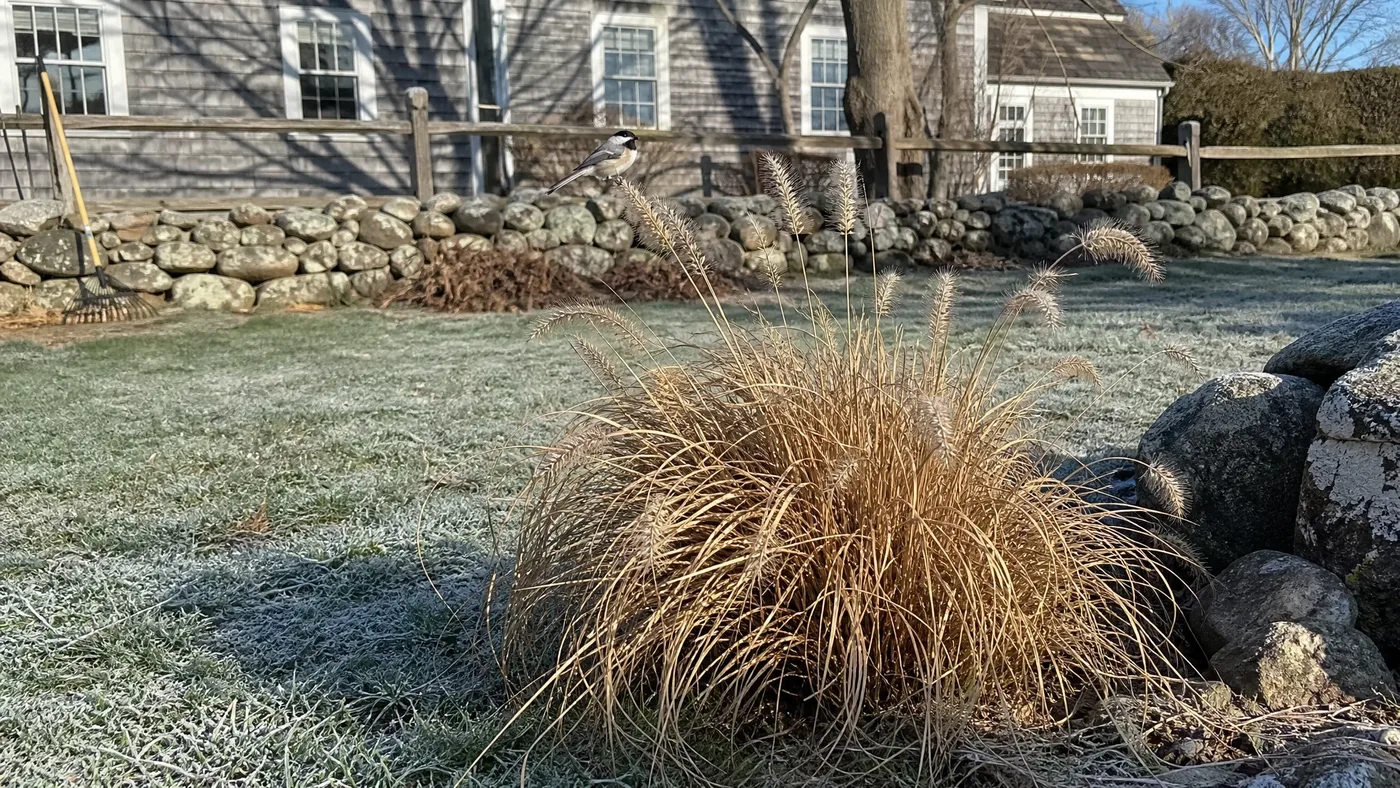
Picture one clump of Asian fountain grass on a hillside, photographed twice: green and arching in July, then a bleached, bronzed haystack in January with seed still on the stems. Now suppose one seedling on that slope came up pale gold. The insects and birds living in the clump would meet a different leaf and possibly a different winter. That is close to the story of Lumen Gold, a golden sport of the same lineage as Hameln.
People expect the gold plant to be the green plant in a brighter coat. In size and bloom it nearly is. In a hard winter it may not be.
In this article, we'll go through how the two look across a season, how each handles cold, what birds and insects make of them, and how to place and plant the one you choose.
A Golden Sport From the Same Hillside Grass
The species behind both plants is native to Asia and Australia, where it grows in clumps on open ground and spreads by seed. Hameln is a compact selection of that grass. Lumen Gold comes from the same alopecuroides lineage, but it began as a sport: a shoot or seedling that differed from its parent in a single obvious trait, leaf color. Growers noticed it, propagated it and kept it.
What a Sport Changes
A sport rarely changes everything. The plant keeps the parent's fountain shape, the bottlebrush plumes and the habit of forming a tidy mound, and it swaps one thing, here the pigment in the blades. Chartreuse-gold leaves carry less of the deep green that Hameln has, and that single difference is the reason the two plants behave differently once frost arrives.
What Stays the Same
Lumen Gold shares Hameln's clump size and bloom habit. That means you plan spacing, sun and cutting back for either plant in the same way. If you already know Hameln, our planting guide for dwarf fountain grass applies almost line for line to the gold one.
The rest of this guide follows one job from start to finish: judge the color, judge the cold, think about the wildlife, then choose a spot and plant. Color is what draws people to Lumen Gold, so we start there.
Lumen Gold Foliage Against Green Dwarf Fountain Grass
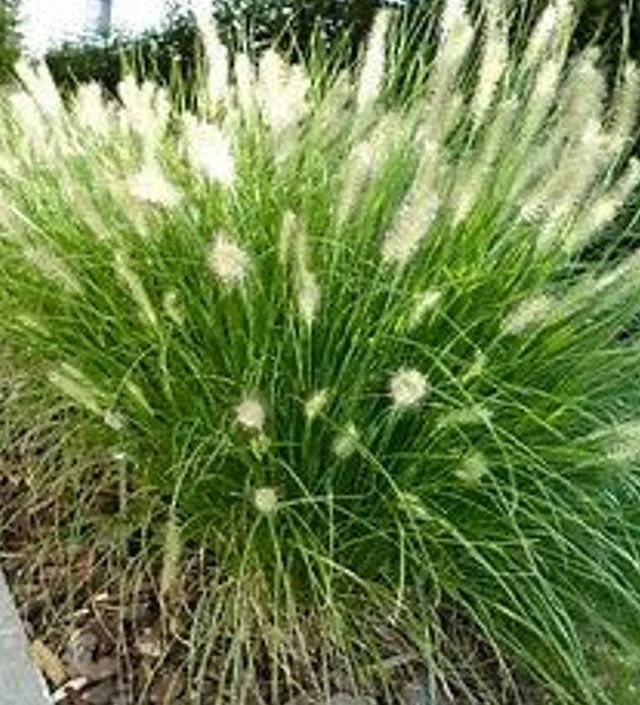
Hameln is the baseline, with bright green foliage that reads as a deep, even green through summer. It is a compact plant with dark green leaves. Lumen Gold's blades are chartreuse-gold, a yellow-leaning green that glows in low morning and evening light and looks almost lime against dark evergreens.
The two plants sit at nearly the same height. IFAS gives Hameln 2 to 3 feet tall and wide, and Wisconsin extension lists the more conservative 18–24 inches, so expect a clump somewhere in that range with plumes standing above it. Because the clump size is shared, the color is the only reason to pick one over the other for a given hole in the border.
Through the Growing Season
In spring, new gold blades come up as the brightest thing in the bed, while Hameln's fresh green blends into everything around it. By midsummer both are fully arched, and the plumes arrive in summer and fall. Hameln's silvery-white flowers open about two weeks earlier than the species. In fall, Hameln turns bronze and stays fairly intact over winter, which we cover in our fall color guide.
How the Color Plays in a Border
Gold foliage is a spotlight and green is a backdrop. Put Lumen Gold against purple or deep green and it lights the corner. Put Hameln among flowers and it quietly lets them perform. We would not mix them in a small bed, because the gold will win every time.
How Dwarf Fountain Grass Handles Cold Without Gold Pigment
Hameln comes from a grass that grows through real winters on exposed slopes in Asia, and the cultivar keeps that toughness. IFAS lists it for zones 5 through 8. Wisconsin extension says it is rated at zone 5 but often seen growing in zone 4 gardens. For comparison, the species itself is listed for zones 6a to 9b by NC State, so the compact cultivar is actually the hardier of the two on paper.
Hameln is also a warm-season grass. It does its growing in heat and rests in cold, so a frozen, dormant clump is normal and not a sign of loss. The dense, dark-green crown goes into winter with good reserves, and the bronzed foliage that stays on protects the center of the clump. Our hardiness zone guide covers the borderline cases.
Why We Call It the Safer Perennial
Safe here means predictable. You can plant Hameln in zone 5, cut it back, and expect it to come back year after year with little fuss. Where winters are hard, that predictability matters more than anything else on the plant tag.
What we tell customers in cold climates is to start with Hameln, give it a full season to root in, and leave it standing until spring.
Where Lumen Gold Struggles in Winter
We have no tested zone figure from a university source for Lumen Gold, and we will not make one up. What we can describe is the pattern. A pale-leaved sport carries less green pigment, which usually goes with less vigor, and a plant that grows less strongly stores less going into winter. That thin margin is where the loss happens.
The Conditions That Cost You the Plant
Three things hurt it most: a late planting that never fills its root zone, soil that stays cold and wet, and a winter colder than the zone you assumed. Any one of these can be survived by a vigorous clump. A weaker one may not recover. For wet soil, our soil and drainage guide is the place to start.
What to Do About It
Check the zone on the plant tag, and ask your local extension service what the coldest winters in your area look like. Plant gold grass in spring, not fall. Keep the clump standing through winter, and mulch lightly if your winters are on the cold side. Cut it back only when growth begins. Our winter care guide walks through that routine.
Our honest position: in zone 5 or colder, we would choose Hameln. In zone 6 and warmer, Lumen Gold is a fair gamble that usually pays off if you give it a good start.
Seed Heads, Birds and Pale Leaves in Dwarf Fountain Grass Beds
A clump of fountain grass is a small habitat. Through summer and fall, the bottlebrush plumes of both plants ripen into seed, and in a winter garden that seed is food for seed-eating birds. The standing stems and leaf litter in the center of a dormant clump give small creatures a sheltered spot out of the wind. Because Hameln stays fairly intact through winter, it serves this purpose well.
Seed production also differs from the species. Hameln does not reseed as prolifically as the species and many other cultivars, and unlike the species it does not re-seed itself. For a gardener who wants birds without a lawn full of seedlings, that is a good trade. Our invasiveness guide goes into the details.
What Pale Foliage Means for Wildlife
We have no study showing that birds or insects treat gold foliage differently from green, and we would not claim one. What we can say is that the plumes, seed and winter structure are the same traits on both plants, so the habitat value comes from the clump and not the color. The one real difference is that a gold clump lost to winter offers nothing, so winter survival comes first for wildlife too.
Leave the clumps uncut through winter and you give birds the seed and the shelter. Cut them in early spring, just before new growth, and you remove the old cover only when the season no longer needs it.
Settling a Dwarf Fountain Grass or Lumen Gold in Your Yard
Once you have picked a plant, the decisions come in a set order, and each one narrows the next. Zone comes first, then light, then the exact spot. Doing them in that order saves you from digging a hole you later regret.
Start With Your Zone
If your winters reach zone 5 or colder, plant Hameln. If you are in zone 6 or warmer, either plant works. If you are unsure of your zone, check with your local extension service before you buy.
Then the Light
Both plants want full sun, which means six or more hours of direct light a day. Our sun requirements guide explains what happens when the clump gets less. We have not seen a source that gives different sun rules for Lumen Gold, so treat it the same as Hameln, and watch the leaves in your hottest afternoon light the first summer.
Finally the Spot
Choose well-drained soil. The species prefers dry to moist, well-drained ground, and the cultivar tolerates acidic to slightly alkaline soil. Dig a hole as deep as the root ball and a bit wider, set the crown level with the soil and water it in. Once established, both are drought tolerant, so most of the work ends there. Each spring, trim the old foliage to 3–6 inches above the ground before new growth starts.
Matching Each Grass to Its Climate
The last step is the simplest, because by now the climate has done most of the choosing for you.
Hameln suits the broadest range: cold gardens at the edge of its zone 5 rating, average climates, and mixed beds where you want a quiet, reliable green that browns to bronze and stays upright. It is the plant for rural or exposed sites, for gardeners who will not be mulching or fussing in November, and for anyone who wants birds and seed without extra work.
Lumen Gold suits milder winters and a gardener who wants a single bright accent. Plant it where drainage is good, give it a spring start and treat it as the feature of a small bed. In zones 6 and above, it can brighten a corner as effectively as any green grass can. In colder places, it is a risk, and one worth taking only if you can live with an empty space some springs.
If you truly cannot decide, plant Hameln as the main drift and a single Lumen Gold as an accent. Then you lose a small piece of the planting in a bad winter, not the whole of it.
Choosing Dwarf Fountain Grass by Winter First
Choose by your coldest winter first, and let the color and the visiting birds follow from that. Hameln gives you a dark green summer clump, bronze in fall, and standing seed for birds in winter. Lumen Gold gives you the same shape with gold foliage, as long as your winters allow it.
Dwarf Fountain Grass
Nursery-grown Dwarf Fountain Grass in sizes from Quart Plant, shipped to your door.
From $49.49
Shop Now →Full sun and soil that drains fast are what we give our Dwarf Fountain Grass, and that setup brings out the dark green of Hameln and the gold of Lumen Gold alike. Our small team of growers raises each top-quality ornamental grass in our own rows. When your coldest winter has settled the choice, choose the Dwarf Fountain Grass that suits your garden.